Second-Hand Furniture: How to Judge Quality, Measure Properly and Move It Safely
Furniture is one of the best things to buy used. A well-made wardrobe, bed or dining table can last many more years, and the price is often a fraction of new. But the pictures in a listing rarely tell you what matters: how it is built, whether it will fit through your door and how you will get it home. This guide gives you a practical routine in that order: material, construction, comfort, measurement and transport.
Updated: 25 October 2026
Know the material
- The same-looking cupboard can be made of very different materials. Here is a simple guide to what you may meet:
- Solid wood — How it usually behaves: Heavy, strong, can be repaired and polished; Things to check: Cracks, warping, signs of wood-borer (tiny holes and fine dust)
- Plywood — How it usually behaves: Layered sheets, firm, handles weight well; Things to check: Layers separating at edges, water marks
- Particle board or MDF (engineered board) — How it usually behaves: Lighter and usually cheaper, often with a laminate or veneer finish; Things to check: Swelling at the edges or bottom from damp, chipped laminate, screws that no longer hold
- Metal frames — How it usually behaves: Strong for beds and racks; Things to check: Rust, bent joints, loose welds
- Cane, bamboo or wicker — How it usually behaves: Light, good for seating; Things to check: Broken strands, weak joints
- Tap on the surface and lift one corner. Solid wood and good plywood feel dense. Engineered board often sounds duller and lighter, and may not survive being taken apart and put together again many times. That is not automatically bad, but it affects how you should plan to move it.
Check the construction
- Wobble test. Push and rock the piece in each direction. Tables, beds and chairs should not shift or creak much.
- Joints. Look at where parts meet. Good furniture usually has tight joints. Gaps filled with filler or glue are a warning.
- Drawers. Pull each one out fully and push it back. It should slide smoothly without catching.
- Doors and hinges. Open and close all doors; check alignment and the strength of hinges and locks.
- Back and base. Look at the back panel and underside for damp, insect holes and repairs.
- Surface. Run a hand over it. Peeling polish can be refinished, but deep damage is costly.
- Smell. Strong damp or chemical smells point to moisture or heavy repainting.
Mattresses and soft furnishing
- Be especially careful with anything soft. Sit and lie on a mattress, press at several points and look for sagging, lumps or broken springs. Check for stains, bedbug signs (tiny dark spots along seams) and odour. Many people prefer not to buy a used mattress at all; if you do, make sure it is clean and consider replacing the cover. For sofas, lift the cushions and check the frame, springs and the fabric underneath.
Measure before you pay
- Many used-furniture disappointments are about size.
- At your home: measure the room, the space for the piece, and, importantly, the path to get there: main door, corridor width, staircase turns and the lift's inside dimensions.
- The piece: note height, width and depth, and whether it can be taken apart.
- Doors and ceilings: a tall wardrobe may not tilt through a low or narrow doorway.
- Clearance: leave space for opening doors and drawers.
- Write the measurements in your phone and ask the seller for photos of the piece with a measuring tape against it.
Ask these questions first
- How old is it, and why are you selling?
- Is it solid wood or engineered board? Has it been repaired or repainted?
- Has there been any pest problem?
- Can it be dismantled, and do you have all the screws, keys and fittings?
- Are you selling with the mattress, cushions or accessories?
- Who will help with loading?
Moving it safely
- Hiring transport — Agree on the price, loading help and unloading help before booking
- Dismantling — Photograph the structure first, and bag screws with labels
- Protection — Wrap edges and glass with old blankets or cardboard; tie doors shut
- Lifting — Use enough people; do not drag, since it damages joints and floors
- Stairs and lifts — Plan the order in which pieces go in, and keep the biggest first
- If the piece needs to be taken apart and reassembled, ask the seller to do it in front of you, or at least agree on this before you pay.
Pricing the piece
- Condition, material, age and brand all matter, but so does demand in your area and how soon the seller wants to move it. Compare similar items in your city before making an offer. If it needs repairs, factor in the cost of polishing, new hinges or a cover. A fair offer with reasons usually works better than a very low one.
Paying and collecting
- Pay only after you've seen the item in person and checked it. Choose a payment method that leaves a record, and confirm the money has reached the seller before loading. Large pieces are hard to return, so take photos on collection day showing the condition at pickup. Our safe deal checklist has more on payments and meeting safely.
Latest listings on FastBuySale
 Home furnishing & furniture store, Shakurpur
 Premium fans & furniture, Kirti Nagar
 Sofas, beds & dining; Sun City & Gachibowli
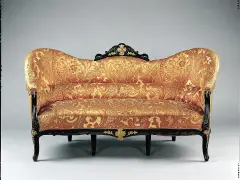 Sofas, recliners, beds, dining furniture
Safety tips
- Meet in a public, well-lit place and, where possible, take someone with you.
- Inspect the item before you pay and check it matches the listing.
- Never pay in advance, share OTPs, or move payment outside the agreed meeting.
- Keep contact through the listing page — contact details are privacy-gated in the app.
- Report suspicious sellers instead of continuing the conversation.
Frequently asked questions
Is solid wood always better?
Not always. It is usually sturdier and repairable, but heavy and costly. Good plywood can also last, and engineered board is fine for light use if dry and intact.
How can I spot wood-borer?
Look for tiny round holes and fine powdery dust near the item. Check the back and underside, where they are easier to miss.
Should I buy a used mattress?
Many people avoid it for hygiene reasons. If you consider one, inspect it carefully for stains, sagging and insect signs.
What if the piece does not fit later?
Measure first. Ask the seller if they will take it back if it doesn't fit, but do not rely on that without a written agreement.
Can I negotiate the price?
Yes, politely and with reasons, such as repair needs or comparable offers.