


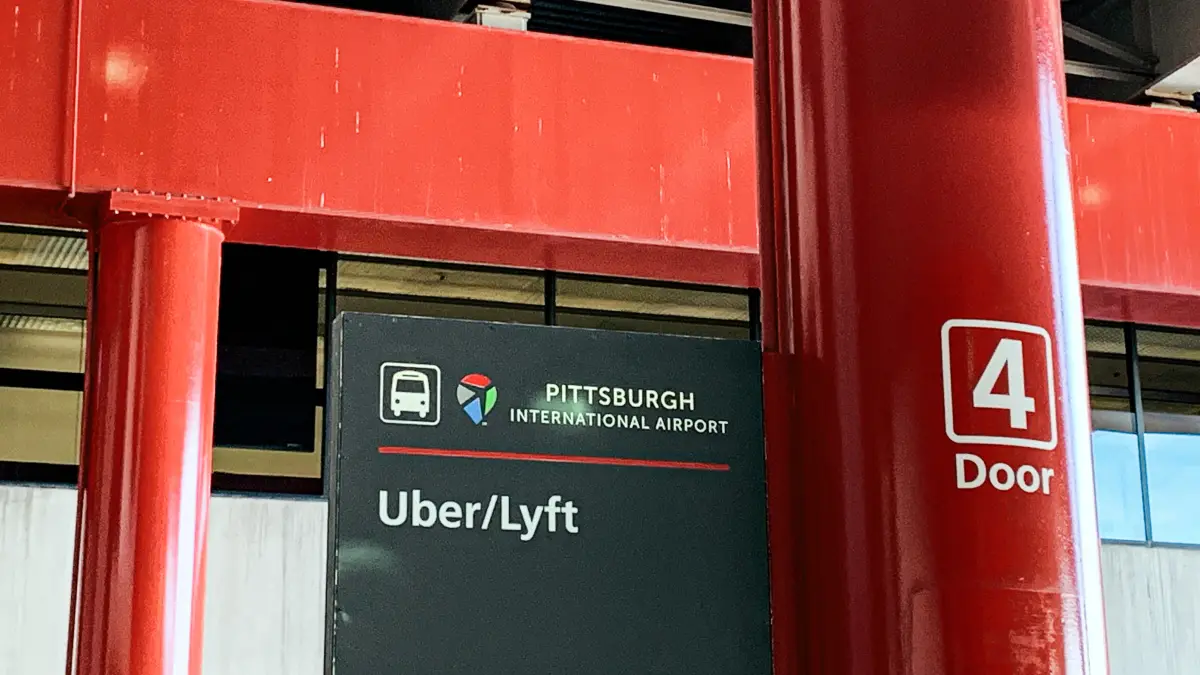
Photo: Tony Webster from Minneapolis, Minnesota, United States / Wikimedia Commons, CC BY 2.0, cropped
Uber vs Lyft for drivers: which platform suits which goals?
By FastBuySale Newsroom · · 11m ago
Get breaking news & deals on your favourite app
Uber vs Lyft for drivers, by goal: maximising ride volume, steady earnings, flexible hours, airport and long trips, bonuses and promotions, vehicle requirements, rentals for drivers without a car, cash out, insurance, sa. Uber and Lyft both treat drivers as independent contractors in most US markets, paying per trip plus tips, promotions and bonuses.
📌 Key points
- Uber and Lyft both treat drivers as independent contractors in most US markets, paying per trip plus tips, promotions and bonuses.
- Uber operates in more cities and countries and also offers food delivery in the same app, while Lyft focuses on rides in the US and Canada.
- Both show upfront trip details, including estimated pay, before you accept in many markets.
- Vehicle, licence, insurance and background check requirements are similar but vary by city.
- Many drivers run both apps to reduce waiting time between trips.
Two major rideshare platforms
Uber and Lyft are the two best-known rideshare apps in the United States, and both rely on independent drivers using their own or rented vehicles. They look similar from the driver's seat, but their market coverage, promotions, features and extra earning options differ. Choosing the right app, or using both, depends on your goals, your city and your vehicle. This guide compares them by goal. Pay structures and policies change frequently, so check each app's current information.
Goal table
| Goal | Often suits | Why |
|---|---|---|
| Maximum trip volume | Uber | Larger market share in many cities |
| Combine rides and delivery | Uber | Deliveries available in the same app |
| Attractive promotions in your city | Either | Varies by market and season |
| Use both to reduce downtime | Both | More offers between trips |
| Drive without your own car | Either | Rental partners in some markets |
How pay works
Both apps pay drivers a fare for each trip, often based on estimated time and distance, plus tips. Upfront pay, shown before accepting, has become common. Busy periods may bring higher pay through surge, prime time or similar features. Promotions such as streaks, quests or bonuses for a number of rides in a period add earnings. The platforms keep the difference between what riders pay and what drivers earn.
Worked example: net hourly earnings
Jordan drives 6 hours on Saturday and earns 168 dollars in fares and 24 dollars in tips, totalling 192 dollars. He drives 120 miles, including miles between trips. At an estimated 0.32 dollars a mile for fuel, maintenance and depreciation, his vehicle costs are 38.40 dollars, leaving 153.60 dollars. Setting aside 20 percent for taxes, or 30.72 dollars, leaves 122.88 dollars, or 20.48 dollars an hour. If he used both apps and cut unpaid waiting time, his hourly figure might rise. The fuel cost and salary calculators on this site help with these estimates.
Market coverage
Uber operates in more cities worldwide and often has more riders in many US markets. Lyft operates in the US and Canada and can be strong in certain cities. In your area, check which app riders use most.
Requirements
Both require a minimum age, a valid licence with some driving history, a background and driving record check, insurance meeting state requirements and an eligible four-door vehicle. Some cities have extra licensing.
Delivery options
Uber drivers can switch to food delivery in the same app, useful when ride demand is slow. Lyft focuses on rides.
Cash out
Both pay weekly to bank accounts and offer instant cash out options, sometimes with a fee or free with their own debit cards.
Insurance
Both provide insurance during trips, with different coverage levels when the app is on, en route to pickup and on trips. Personal policies may exclude rideshare, so ask about rideshare endorsements.
Safety
Both offer in-app emergency buttons, trip sharing and rider verification features. Use them and report incidents.
Taxes
Drivers are usually independent contractors. Track mileage, keep records and set aside money for income and self-employment taxes.
Ratings and acceptance
Both apps let riders rate drivers after each trip, and low average ratings can lead to warnings or loss of access. Clean cars, safe driving, polite greetings and following the navigation route help keep ratings high. Acceptance and cancellation rates matter for some programmes and rewards. Uber has tied certain rewards to tiers based on points and ratings, while Lyft has offered its own rewards for drivers meeting activity and rating levels. Read each app's current standards so you know what affects your account.
Airport trips
Airport pickups can mean longer, better-paid trips, but often involve waiting in a queue in a designated lot. Both apps manage airport queues in many cities, and airports may charge fees or require permits. Track how long you wait compared with the fare to judge whether airport runs are worth it in your city.
Long trips and destination filters
Long trips can take you far from busy areas, leaving you to drive back without passengers. Both apps offer destination filters that match you with trips heading towards a chosen location, useful at the end of a shift. Consider unpaid return miles when deciding whether to accept a long trip.
Vehicle choices and running costs
Fuel-efficient or hybrid vehicles reduce running costs, and electric vehicles can lower fuel costs further where charging is convenient and affordable. Both platforms have offered incentives for electric vehicle drivers in some markets. Larger vehicles can qualify for higher-fare ride types, such as extra seats or premium services, but cost more to run. Choose a vehicle that matches the trips you expect to drive most often.
Rental options
If you do not have an eligible car, rental programmes through partner companies are available in some cities. Weekly rental fees can be high, so calculate how many hours you need to drive just to cover the rental before signing up.
Running both apps
Drivers who use both apps typically keep both online while waiting, accept the better offer and go offline on the other app until the trip ends. This reduces downtime but requires attention. Never accept two trips at once.
Time and wellbeing
Long shifts and night driving can be tiring. Plan breaks, avoid driving when fatigued and set daily limits.
Signing up step by step
To sign up, download the driver app or visit the driver sign-up page, enter your details and city, upload your driving licence, vehicle registration and proof of insurance, and consent to a background check and driving record review. Some cities require a vehicle inspection or a local rideshare permit. After approval, set up your payout method and review safety and service guidance. Approval can take from a few days to several weeks, depending on checks and local rules, so applying to both apps at the same time can save time.
Learning your city
New drivers earn more once they understand local demand patterns. Morning and evening commutes, Friday and Saturday nights, concerts, sports events and holiday periods are often busy. Quiet weekday afternoons may bring fewer trips. Both apps show busy areas on the map. Rather than chasing every busy spot, position yourself near places that produce steady trips, such as transport hubs, business districts and entertainment areas, and note which times work best for you.
Keeping costs down
Vehicle costs are the biggest drain on rideshare earnings. Keep tyres properly inflated, service the car on schedule and drive smoothly to save fuel. Compare fuel prices, use fuel reward programmes and avoid idling for long periods. Track maintenance spending so you know your true cost per mile, which may be higher than you expect once depreciation is included.
Handling difficult situations
Occasionally riders may be rude, intoxicated or ask you to break rules, such as carrying extra passengers. Stay calm, follow the app's policies, end a trip safely if necessary and report incidents through the app. Dash cameras, where legal and disclosed, can provide evidence if disputes arise.
Keeping records
Record each shift's start and end times, total miles, earnings by app, tips and expenses such as fuel, tolls, car washes and phone costs. Both apps provide earnings statements, and tax forms may be issued, but your own mileage log is essential because many drivers drive miles that the apps do not record, such as the commute to busy areas.
Cleaning and comfort
A clean interior, fresh air, a phone charger for riders and a quiet, comfortable ride help ratings and tips. Keep water and tissues for longer trips if you wish, and clean the car between shifts.
Which suits which use case
Choose based on your city's demand, promotions and your desire to add deliveries. Many drivers start with one and add the other.
Reader questions
Questions about rideshare work? Send them through the Ask page on this site.
Disclaimer
This article is for general information only and is not tax or insurance advice. No income is guaranteed.
💬 Join the discussion on this article →
More in News · Trending News · Browse local deals
💡 What's in it for buyers
- Check vehicle and licence rules in your city.
- Compare offers by pay per mile and per minute.
- Track mileage and costs from the start.
- Confirm insurance covers rideshare driving.
- No income promises; pay varies by market.
FAQs
Uber vs Lyft for drivers: which suits which goals?
Uber often suits drivers who want maximum trip volume and the option of deliveries, while Lyft may suit drivers in markets where it has strong demand and attractive promotions. Many drivers use both and choose trips by pay.
Can I drive for both at the same time?
Yes, many drivers do, though you should only accept one trip at a time and follow each platform's rules.
Do I need my own car?
Not always. Both have offered rental options through partners in some cities, though rental costs can significantly reduce earnings.
Do drivers get tips?
Yes. Riders can tip through the app, and drivers keep tips.
 $200
 $300
 $3
 $200