


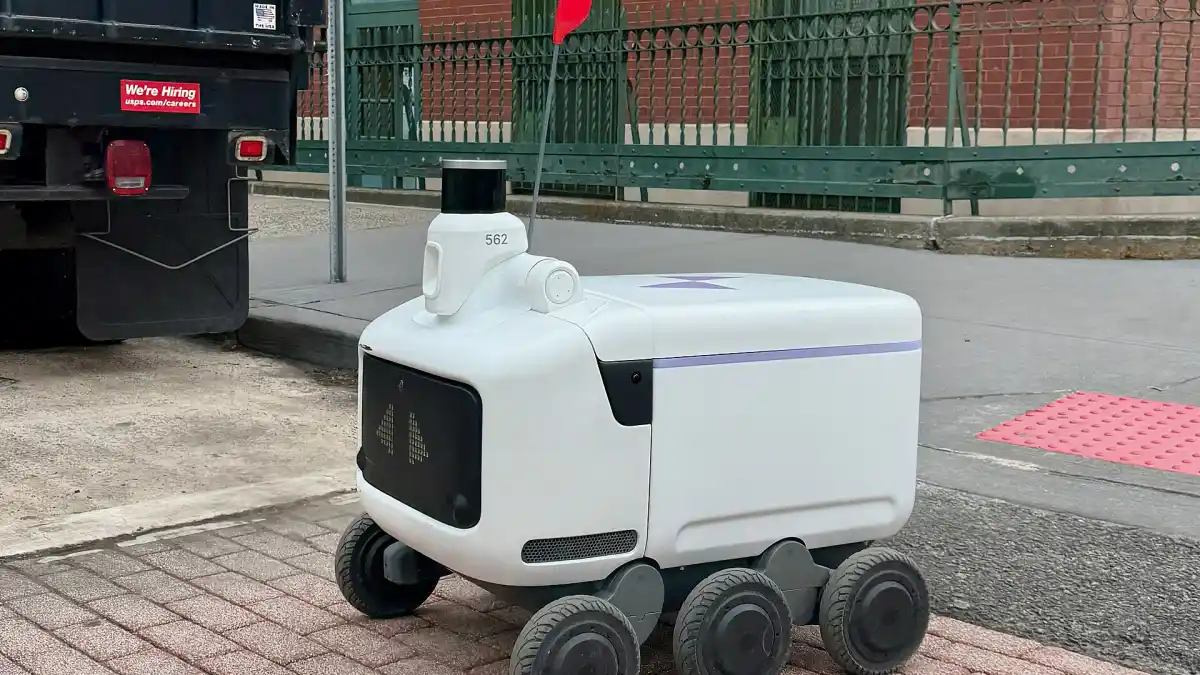
Photo: Oleg Yunakov / Wikimedia Commons, CC BY-SA 4.0, cropped
Uber Eats rules and policies explained in plain English
By FastBuySale Newsroom · · 13m ago
Get breaking news & deals on your favourite app
Uber Eats rules and policies explained in plain English for delivery people: eligibility and background checks, vehicle and document requirements, account sharing bans, community guidelines, ratings and acceptance, food. Delivery people must meet age, document, vehicle and screening requirements that vary by city and country.
📌 Key points
- Delivery people must meet age, document, vehicle and screening requirements that vary by city and country.
- Your account is personal; letting someone else deliver on it breaks the rules and can lead to permanent deactivation.
- Community guidelines cover respectful behaviour, safety, fraud, food handling and following local laws.
- Age-restricted items such as alcohol require ID checks at drop-off where those deliveries are allowed.
- Couriers are generally treated as independent contractors in many places, so they handle their own costs and taxes.
What these rules cover
Uber Eats connects customers, restaurants and stores with delivery people through an app. Because millions of deliveries happen each day, the platform sets rules about who can deliver, how deliveries should be carried out and what behaviour is not allowed. These rules come from its community guidelines, terms of service, local regulations and policies for specific items such as alcohol. Understanding them protects your income, because breaking key rules can lead to warnings, temporary holds or permanent loss of access. This guide explains the main rules in plain language. Policies differ by country and city, so always check the requirements shown in your app and on the official help pages for your location before relying on any general explanation.
Eligibility requirements
To deliver, you generally need to meet a minimum age, which varies by location and vehicle type, provide valid identification and prove you have the right to work in the country. Most markets require a screening or background check that may cover criminal records and, for motor vehicles, driving history. Some cities allow deliveries by car, motorbike, scooter, bicycle or on foot, each with its own requirements. Requirements and processing times vary, so complete every step in the app accurately and keep documents up to date to avoid interruptions.
Vehicle and document rules
If you deliver by car or motorbike, you usually need a valid driving licence, vehicle registration and insurance that meets local requirements. Some markets set vehicle age or type rules. Bicycle couriers may need lights and safety equipment required by local law. Documents often expire, and the app may ask you to upload new ones, so watch for reminders and renew on time. Using a different vehicle than registered may break rules in some places, so update vehicle details in the app when you change.
Your account is personal
One of the most important rules is that your account must be used only by you. Letting a friend or relative deliver on your account, renting your account or using someone else's account breaks the rules and can result in permanent deactivation. The platform may ask for real-time selfies to verify your identity before or during a session. This protects customers, because they need to trust that the person delivering has passed screening, and it protects you from liability for someone else's actions.
Community guidelines in plain English
The community guidelines ask everyone, including customers, restaurants and delivery people, to treat each other with respect, follow the law and help keep each other safe. That means no harassment, discrimination, threats or violence, no inappropriate contact with customers after a delivery and no unsafe behaviour on the road. Fraud, such as accepting orders you do not intend to complete, falsely marking orders as delivered or manipulating the app, is prohibited. Serious violations can lead to immediate loss of access, while lesser issues may result in warnings.
Safety on the road
Follow traffic laws, avoid using your phone while moving unless it is mounted and used hands-free where permitted, and never deliver while impaired by alcohol or drugs. The app may include safety features such as emergency assistance and sharing your trip status. Plan routes safely, take breaks when tired and avoid unsafe parking at restaurants or drop-offs. Accidents can end your ability to work and lead to costly claims, so safety protects both you and your income.
Food handling and order accuracy
Treat food carefully. Keep bags sealed, use an insulated delivery bag where required or recommended, avoid opening packages and never consume or tamper with food. Check that you have collected the right order, including drinks and side items, before leaving the restaurant. Report missing items or restaurant delays through the app rather than guessing. Good handling reduces complaints and helps maintain your rating.
Alcohol and age-restricted deliveries
In places where alcohol and other age-restricted items can be delivered, couriers must check the recipient's identification at the door, confirm they meet the legal age and refuse delivery if the person appears intoxicated or cannot show valid ID. These orders usually cannot be left at the door. The app guides you through the check and what to do if delivery is refused, such as returning the items. Breaking these rules can have legal consequences for you and the business.
Contactless and drop-off instructions
Customers may choose to meet at the door or have orders left at the door. Follow their instructions where safe, take a photo when the app asks for proof of drop-off and place orders in a secure spot. If instructions are unclear or the location is unsafe, contact the customer through the app or support. Accurate drop-offs reduce disputes about missing orders.
Ratings and feedback
Customers and restaurants may rate delivery people, and ratings can affect your account. Low ratings in some markets may lead to warnings or loss of access if they fall below a set level. Friendly communication, careful handling and accurate delivery help maintain ratings. Check how ratings work in your app, because policies vary.
Acceptance and cancellations
As an independent contractor in many places, you usually choose which delivery requests to accept. However, accepting orders and then cancelling frequently can affect access to certain features or programmes. Only accept requests you intend to complete, and cancel through the app with a reason if something goes wrong, such as a restaurant closure.
Earnings and tips
Earnings typically include payment for each trip, based on factors such as time, distance and demand, plus promotions and tips from customers. Uber states that delivery people keep tips customers give. Earnings and payout options vary by market. Review the breakdown in your app after each trip and check that payments match what you expected.
Worked example: weekly earnings
Suppose a courier completes 60 deliveries in a week, earning an average of 6 per trip before tips, or 360. Tips total 120, bringing gross earnings to 480. If fuel and maintenance costs are 90, net earnings before taxes are 390. If they worked 25 hours, that is 15.60 per hour. A 10 percent increase in deliveries with the same averages would add 48 in gross earnings. Figures are illustrative. The percentage calculator and salary calculator on this site help model your own numbers.
Rules at a glance
| Rule | What it means |
|---|---|
| Personal account | Only you may deliver |
| Respectful behaviour | No harassment or discrimination |
| Food handling | Sealed, careful, no tampering |
| Age-restricted items | Check ID, refuse if needed |
| No fraud | No false deliveries or manipulation |
| Follow the law | Traffic, safety and local rules |
Deactivation and appeals
Accounts can be deactivated for serious safety issues, fraud, account sharing, failed or expired screenings and repeated guideline violations. In some markets, you may receive notice and an option to request a review or appeal. If your account is deactivated, read the message carefully, gather evidence such as screenshots and trip details, and follow the official appeal process. Some jurisdictions have rules that give couriers specific rights in deactivation decisions.
Independent contractor status
In many places, delivery people are treated as independent contractors rather than employees. That usually means flexibility over when you work, but also responsibility for your own vehicle costs, taxes and benefits. Classification depends on local law and continues to change through legislation and court decisions, so check the rules in your country or state.
Insurance
Check what insurance the platform provides during deliveries in your market and whether your personal vehicle insurance covers delivery work. Many personal policies exclude commercial use, so you may need additional cover. Gaps in coverage can be expensive after an accident.
Taxes and record keeping
Delivery income is generally taxable. Keep records of earnings, mileage and expenses such as fuel, maintenance, phone costs and delivery bags. In many countries you may be able to deduct business expenses. Consult a tax professional if you are unsure.
Avoiding scams
Scammers impersonate support staff to steal login details or earnings, offer to sell or rent accounts and send fake messages about bonuses. Use only the official app, never share verification codes and report suspicious messages.
Reader questions
Questions about delivery work? Send them through the Ask page on this site.
Disclaimer
This article is for general information only and is not affiliated with Uber. Rules vary by location and change; check the official app and help pages. No income is guaranteed.
💬 Join the discussion on this article →
🔴 LIVE · Uber Eats: all 3 stories →
More in News · Trending News · Browse local deals
💡 What's in it for buyers
- Check local requirements.
- Read community guidelines.
- Never share your account.
- Follow delivery instructions.
- Track income and expenses.
FAQs
What are the requirements to deliver with Uber Eats?
Requirements vary by location but usually include a minimum age, valid identification, the right to work, a screening check and an eligible vehicle, bicycle or scooter with any required documents.
Can someone else use my Uber Eats account?
No. Accounts are personal. Letting someone else deliver on your account breaks the rules and can lead to permanent deactivation.
Why can Uber Eats deactivate an account?
Reasons can include safety concerns, fraud, account sharing, serious or repeated guideline violations, failed screenings and very low ratings in some markets.
Do delivery people keep their tips?
Uber states that delivery people keep tips from customers. Check the current earnings information in your app for your market.
Are Uber Eats couriers employees?
In many places they are treated as independent contractors, but classification depends on local law and can change.
 $200
 $300
 $3
 $200