


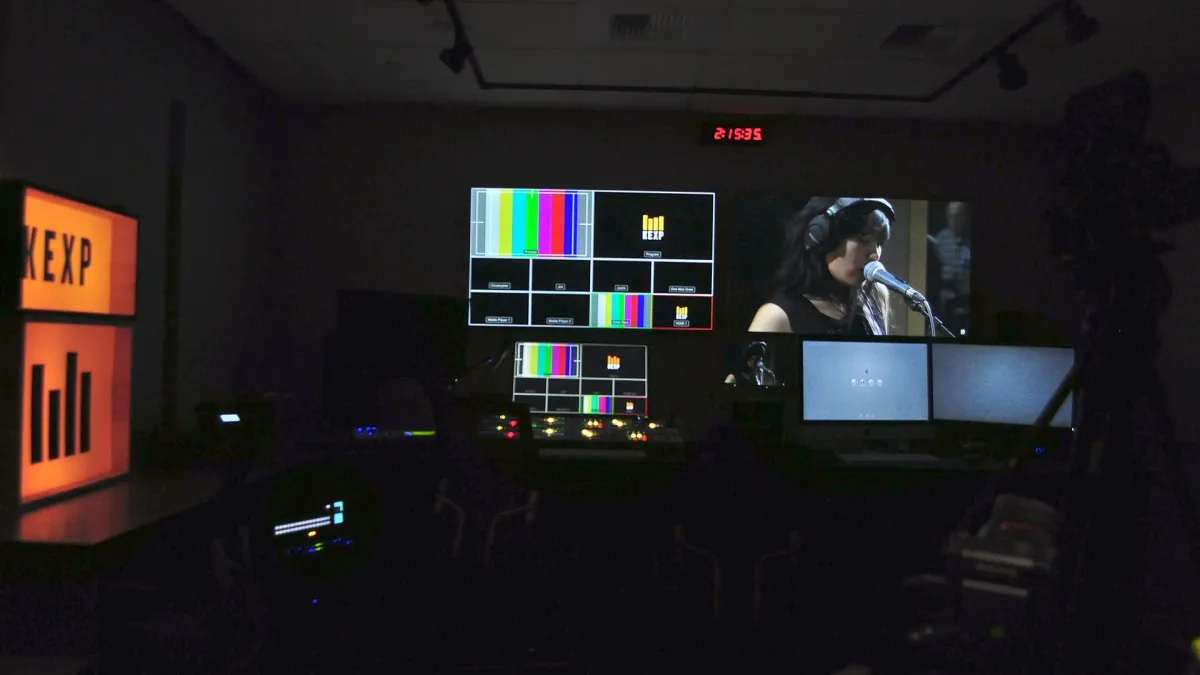
Photo: Joe Mabel / Wikimedia Commons, CC BY-SA 4.0, cropped
Free resources to learn video editing online
By FastBuySale Newsroom · · 11m ago
Get breaking news & deals on your favourite app
Free resources to learn video editing online: free editing software, official tutorials, open courses, editing fundamentals such as cutting, pacing, colour and audio, free practice footage and music, short-form and long-. Several professional-grade editing programs offer free versions, and phone editing apps are enough for short-form practice.
📌 Key points
- Several professional-grade editing programs offer free versions, and phone editing apps are enough for short-form practice.
- Official software tutorials, open courses and creator channels cover cutting, pacing, colour correction, audio and titles.
- Free stock footage, royalty-free music and public domain archives provide practice material without copyright problems.
- A short reel of strong edits matters more than certificates when seeking freelance clients.
- Paid courses are optional; consistent practice with feedback builds skills fastest.
Why learn video editing
Video is everywhere: social media, websites, online courses, advertising, events and internal company communication. Businesses and creators constantly need editors to turn raw footage into clear, engaging videos. Editing is a skill that can be learned online for free, practised from home and offered as freelance work around a job. Strong editors are valued for storytelling, pacing and attention to detail as much as software knowledge.
Free editing software
Several professional editing programs offer free versions with powerful features, including multi-track timelines, colour tools and audio editing. Open-source editors provide further options. Browser-based and phone apps suit quick social clips. Pick one main program and learn it deeply rather than switching constantly.
Official tutorials and manuals
Software makers publish free tutorials, manuals and training courses that explain interfaces, workflows and advanced tools. These are accurate, up to date and structured, making them an excellent starting point.
Open courses
Universities and learning platforms offer free courses on film editing, storytelling and post-production. Audit courses for free where possible and complete the exercises.
Creator tutorial channels
Experienced editors share free tutorials on techniques such as jump cuts, transitions, colour grading, sound design and text animation. Choose recent tutorials that match your software version.
Worked example: practice plan
Lina practises 5 hours per week for 8 weeks, totalling 40 hours. She completes one short project per week, so 8 projects. Her first edit of a 60 second clip takes 3 hours, while her eighth takes 1.5 hours, a 50 percent time reduction. Tracking time per project shows progress and helps estimate client work. The percentage calculator on this site helps measure improvement.
Sourced resource table
| Resource type | What it teaches | Cost |
|---|---|---|
| Free editor versions | Timelines, cutting, colour, audio | Free |
| Official tutorials and manuals | Software workflows and tools | Free |
| Open online courses | Storytelling and post-production | Free to audit |
| Free stock footage libraries | Practice material | Free with licence terms |
| Royalty-free music libraries | Soundtracks for practice edits | Free with licence terms |
| Editing communities | Feedback and critique | Free |
The table summarises the main categories of free resources. Combining two or three of them, such as one editor, its official tutorials and a feedback community, gives a complete learning path without spending money.
Editing fundamentals
Learn the basics in order: importing and organising footage, cutting clips, trimming, arranging sequences, adding transitions sparingly, adjusting audio levels, adding titles and exporting correctly. Practise each skill with short exercises before combining them in complete projects.
Pacing and storytelling
Good editing is about rhythm and story. Cut on action, remove pauses that slow momentum, vary shot lengths and build toward a clear point. Watch videos you admire with the sound off to study cutting rhythm, then with sound to study audio transitions. Practise re-editing the same footage several ways, such as a fast teaser and a calm explainer, to understand how pacing changes meaning.
Colour correction basics
Colour correction fixes exposure, contrast and white balance so shots match. Colour grading adds a stylistic look. Learn correction first using scopes, then experiment with simple grades.
Audio editing
Viewers forgive imperfect visuals more than bad sound. Learn to balance dialogue, reduce background noise, add music at appropriate levels and use fades. Free audio tools can help with cleanup.
Free practice footage and music
Free stock video sites and public domain archives offer clips for practice, and your own phone footage is valuable too. Royalty-free music libraries provide soundtracks. Check licence terms, especially for commercial use, and keep records of sources.
Short-form and long-form editing
Short-form social videos need strong hooks, captions, quick cuts and vertical formats. Long-form videos, such as interviews and tutorials, require structure, chapter planning and sustained pacing. Practise both, since clients request both.
Motion graphics basics
Simple animated titles, lower thirds and logo reveals add polish. Many editors include basic motion tools, and free templates help beginners learn.
Building a reel
Create a 30 to 60 second reel showing your best edits, plus links to two or three full projects. Keep it focused on the work you want to be hired for.
Finding first clients
Offer editing to local businesses, creators, podcasters, nonprofits and friends who produce video. Freelance platforms and creator communities also post editing jobs. Start with small projects and request testimonials.
Common beginner mistakes
Mistakes include overusing transitions and effects, ignoring audio quality, inconsistent colour, using unlicensed music, exporting in wrong formats and not backing up project files.
Getting feedback
Share edits in communities and ask specific questions about pacing, sound and clarity. Feedback accelerates improvement.
Organising projects
Professional editors keep projects organised from the start. Create a folder structure for footage, audio, graphics, music, project files and exports. Name files clearly, label clips in the editor and use bins for different scenes or types of shots. Good organisation saves time on large projects, makes revisions easier and helps when clients return months later asking for changes. Back up projects to an external drive or cloud storage regularly so a failed disk does not destroy weeks of work.
Hardware considerations
You do not need an expensive computer to begin. Many free editors run on mid-range laptops, especially when using proxy files, which are lower-resolution copies that make editing smoother. A larger monitor, decent headphones and enough storage space improve the experience more than high-end processors for beginners. Upgrade hardware only when your projects and income justify it.
Exporting correctly
Each platform has preferred formats, resolutions, aspect ratios and bitrates. Learn common export settings for social media, websites and presentations. Test exports on phones and computers before delivery to catch problems with sound sync, text cropping or compression.
Learning keyboard shortcuts
Shortcuts speed up editing dramatically. Learn the most common ones for cutting, trimming, playback and marking, and add new ones gradually. Faster editing means more practice in less time and better rates per hour later.
Daily practice habits
Short daily practice sessions build skill faster than occasional long ones. Try recreating a short scene from a film or advert, editing a day of phone footage into a 30 second story, or re-cutting a tutorial to be more concise. Keep a log of what you learned each session.
Working with clients
When you start freelancing, agree on project scope, number of revision rounds, deadlines, file delivery methods and payment terms in writing. Ask clients for reference videos showing the style they like. Send drafts with timestamps for feedback so comments are precise. Clear processes prevent endless revisions and misunderstandings.
Rates and pricing
Beginners often price per finished minute or per project. Track how long projects take so you can price profitably as skills improve, and raise rates once your reel and testimonials grow.
Avoiding scams
Be cautious of job offers that ask you to pay for software, training or equipment before starting, or send overpayments and request refunds.
Studying great edits
Watch films, adverts, music videos and popular online videos critically. Notice where cuts happen, how music drives energy, how long shots stay on screen and how text and graphics support the message. Pause and analyse scenes, then try recreating the techniques in your own practice projects. Studying professional work trains your eye and builds a library of ideas you can use for clients. Over time, you develop a personal style while still adapting to each client's brand and audience.
Certificates and credentials
Free course certificates can show commitment, but clients mostly judge editors by their reel, communication and reliability. Focus on finished projects you can show.
Joining communities
Online editing communities, forums and local creator groups share tips, challenges, free templates and job leads. Participating regularly helps you learn faster, stay motivated and meet people who may later refer clients to you.
Setting learning goals
Set clear monthly goals, such as finishing four practice edits, learning colour scopes or completing one free course. Review progress at the end of each month and adjust your plan.
Reader questions
Questions about creative skills? Send them through the Ask page on this site.
Disclaimer
This article is for general information only. Software features and licences change; check official sources. No income is guaranteed.
💬 Join the discussion on this article →
More in News · Trending News · Browse local deals
💡 What's in it for buyers
- Pick one free editor.
- Follow official tutorials.
- Practise with licensed footage.
- Build a short reel.
- Seek feedback.
FAQs
What are the best free resources to learn video editing online?
Free versions of editing software, their official tutorials and manuals, open university and platform courses, creator tutorial channels, free stock footage libraries and editing communities that give feedback.
Can I become a video editor using only free software?
Yes. Free versions of several professional editors include enough features for most freelance work, and many editors start professionally with them.
Where can I find free footage to practise editing?
Free stock video sites, public domain archives and your own phone footage are good sources. Always check licence terms before using clips publicly.
How long does it take to learn video editing?
Basic editing can be learned in a few weeks of practice, while professional pacing, colour and sound skills develop over months of regular projects.
 $200
 $300
 $3
 $200