


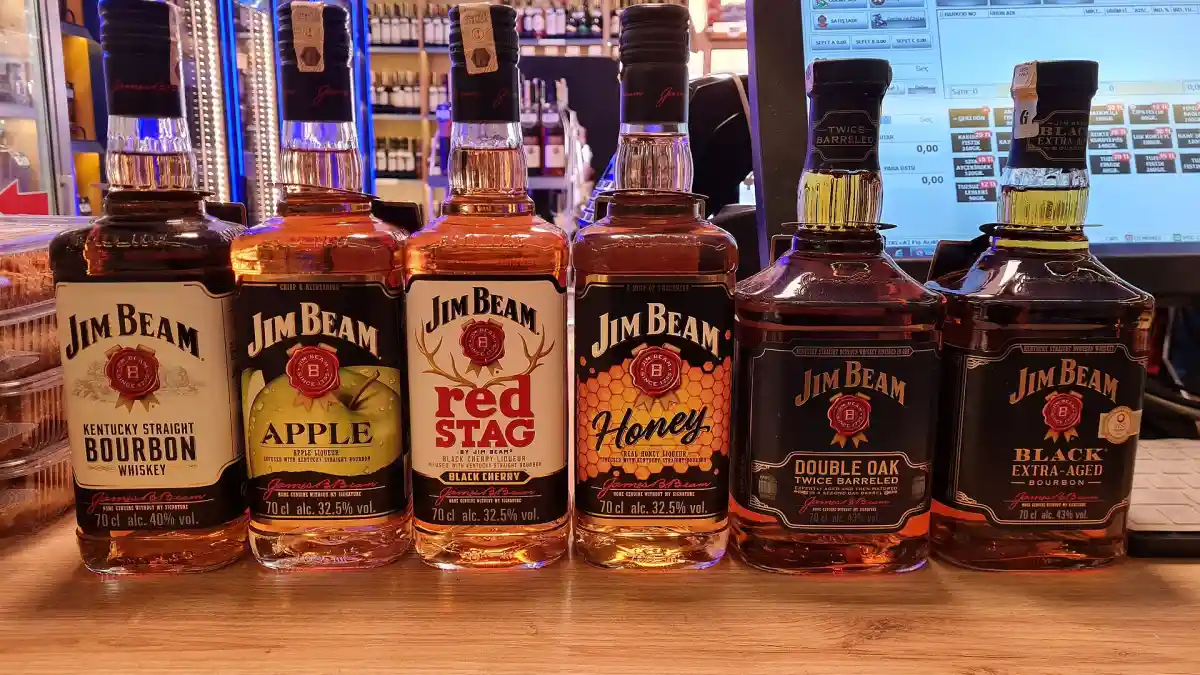
Photo: Belenois / Wikimedia Commons, CC BY-SA 4.0, cropped
What is jim beam bourbon made from: What Jim Beam production changes mean for bourbon fans and the market
By FastBuySale Newsroom · · 1m ago
Get breaking news & deals on your favourite app
Jim Beam is adjusting its production timeline at its Kentucky flagship site. Learn what is Jim Beam production strategy and how it affects the United States market. The flagship Kentucky facility for Jim Beam will not resume full distilling operations by the previously anticipated date of 2027 as originally planned.
📌 Key points
- The flagship Kentucky facility for Jim Beam will not resume full distilling operations by the previously anticipated date of 2027 as originally planned.
- This strategic adjustment to production schedules reflects broader shifts in the spirits industry as companies manage current inventory levels and consumer demand trends.
- Bourbon enthusiasts across the United States may notice shifts in availability or pricing as manufacturers recalibrate their long-term supply chains and storage capacity.
- Local economies in Kentucky remain closely tied to the spirits industry, which continues to provide significant employment opportunities and tourism revenue for the region.
- Consumers looking for specific vintage or aged varieties should monitor local market availability closely as supply patterns evolve in response to these internal changes.
Understanding the production shift at Jim Beam
What is jim beam bourbon made from: The recent announcement regarding the flagship facility in Kentucky has sparked interest among collectors and casual drinkers alike. When asking what is Jim Beam production strategy, it is essential to look at the balance between aging stocks and current market demand. The decision to pause or delay distilling operations at a primary site is a tactical move often used to manage warehouse capacity and ensure the quality of long-term aging processes.
For those living in the United States, understanding these industrial rhythms helps clarify why certain bottles might become more or less common on retail shelves. Distilling is a long-term commitment that requires years of planning, and companies must constantly adjust their output based on projections. By slowing down production at a flagship location, the brand is essentially recalibrating its future inventory to align with the evolving tastes and consumption habits of the modern American public.
Impact on the American spirits market
The bourbon market in the United States is highly sensitive to production cycles, as the maturation process takes several years to complete. When a major producer alters its distilling schedule, the effects are not felt immediately but rather several years down the line. This creates a ripple effect where availability and pricing of specific age-statement bourbons can fluctuate based on the decisions made at these large-scale production facilities located throughout Kentucky.
Shoppers should view these developments as a natural part of the spirits industry lifecycle. While the news of a delay at a primary distillery might sound significant, it is standard practice for large brands to optimize their footprint. For buyers, this means that the market will continue to see a variety of products, though it is always wise to keep an eye on local inventory levels for your favorite labels during these periods of corporate adjustment.
What this means for local jobs and the economy
The spirits industry is a cornerstone of the Kentucky economy, providing thousands of jobs ranging from distilling and warehousing to tourism and hospitality. Even when production schedules are adjusted at flagship sites, the broader impact on the regional workforce is often mitigated by the ongoing need for maintenance, barrel management, and administrative support. The local community remains a vital part of the brand identity, ensuring that the legacy of the craft continues to thrive despite operational shifts.
Beyond the distillery gates, the ripple effect extends to ancillary businesses that support the bourbon trade. From cooperages that build oak barrels to logistics companies that transport finished goods across the United States, the ecosystem is vast. While a change in distilling output is a major internal decision, the overall economic footprint remains substantial. The focus remains on maintaining high standards for the final product while navigating the complexities of modern manufacturing and global supply chain requirements.
Advice for bourbon buyers and collectors
For those who enjoy collecting or simply stocking their home bar, these industry shifts suggest that patience is a virtue. Since bourbon requires time to age properly, the industry generally maintains large reserves to buffer against temporary changes in production. If you are searching for a specific bottle, local marketplaces and specialized retailers are excellent resources to find inventory that might be harder to source through traditional high-volume distribution channels during transition periods.
Smart buyers should monitor the market and consider purchasing reliable favorites when they are readily available. Building a collection over time allows you to weather any potential supply variations that might occur due to production adjustments. By engaging with local communities and checking listings on platforms like FastBuySale, you can often find unique bottles or trade with other enthusiasts who share your appreciation for the craft and the history of American whiskey production.
Looking ahead at industry trends
As we look toward the future, the spirits industry will continue to adapt to changing consumer preferences and economic conditions. The decision to delay operations at a flagship site is just one piece of a larger puzzle that involves balancing tradition with modern efficiency. Consumers in the United States can expect brands to continue prioritizing quality over sheer volume, ensuring that the legacy of American bourbon remains strong even as production strategies evolve to meet the demands of the next decade.
Staying informed about these industry shifts provides a better perspective on why the market behaves the way it does. Whether you are a casual fan or a dedicated collector, the key is to appreciate the craft behind each bottle. As the industry moves forward, the focus will likely remain on sustainability, innovation in distilling techniques, and maintaining the unique character that has defined the Kentucky bourbon tradition for generations, ensuring it remains a staple for years to come.
💬 Join the discussion on this article →
More in Shopping · Trending News · Browse local deals
💡 What's in it for buyers
- Check local listings on FastBuySale for older or limited-edition bottles.
- Compare prices from different sellers to find the best value for your favorite brands.
- Meet safely in public locations when purchasing spirits or collectibles from private sellers.
- Keep an eye on regional supply trends to anticipate potential changes in bottle availability.
FAQs
What is jim beam bourbon made from?
The brand is currently optimizing its production schedules to align with long-term inventory goals and market demand, which involves adjusting the timeline for its flagship facility's operations to ensure the highest quality standards for its aging spirits.
Will this change lead to a shortage of bourbon?
It is unlikely to cause a sudden shortage, as the spirits industry maintains significant reserves of aging product. These production adjustments are typically planned years in advance to ensure that supply remains steady for consumers across the United States.
How can I find specific bottles if they become harder to find?
You can search local marketplaces and specialized community platforms to connect with other enthusiasts. Often, collectors and local sellers have inventory that might not be available in standard retail stores, making these platforms great for finding unique items.
Does this impact the quality of the bourbon I buy today?
No, these production decisions do not affect the quality of the products currently on the shelves. Bourbon that is available today has already completed its aging process, ensuring that the flavor and characteristics remain consistent with the brand's established standards.
 $200
 $300
 $3
 $200