


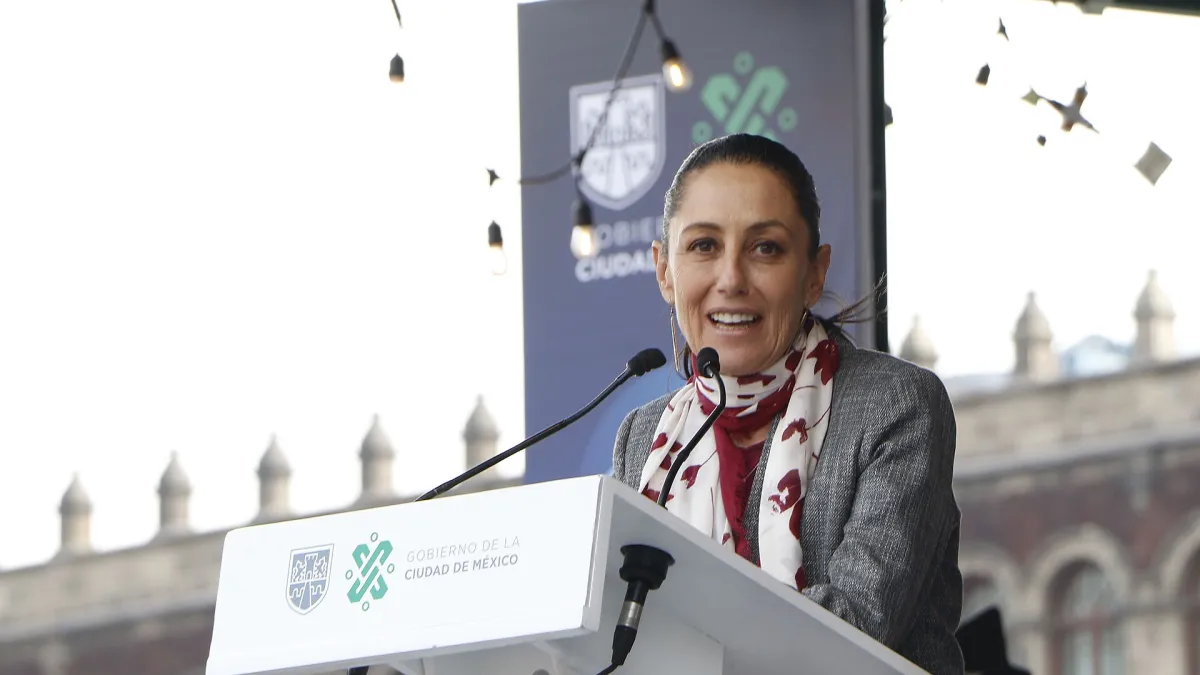
Photo: Secretaría de Cultura Ciudad de México from México / Wikimedia Commons, CC BY 2.0, cropped
What is claudia sheinbaum doing about the cartels: What is Claudia Sheinbaum doing in China? International Upd
By FastBuySale Newsroom · · 1m ago
Get breaking news & deals on your favourite app
Discover why Claudia Sheinbaum is in the news as she explores cultural activities in China. Learn what is Claudia Sheinbaum doing during her international trip. Claudia Sheinbaum has been observed engaging in traditional wellness activities while participating in international diplomatic events hosted within the borders of China recently.
📌 Key points
- Claudia Sheinbaum has been observed engaging in traditional wellness activities while participating in international diplomatic events hosted within the borders of China recently.
- The activities centered on internal energy practices, showcasing a focus on personal health and cultural exchange during a busy schedule of official government meetings.
- Observers note that these moments of quiet reflection and physical movement provide a unique window into the personal habits of high-profile global political leaders.
- For local residents interested in global affairs, these updates highlight how international representatives balance professional duties with personal wellness and cultural engagement abroad.
What is Claudia Sheinbaum doing in China and why it matters
What is claudia sheinbaum doing about the cartels: Recent reports regarding international travel have brought attention to the activities of global figures, specifically asking what is Claudia Sheinbaum doing during her current visit to China. While official duties often dominate the headlines, recent snapshots show a different side of leadership as she participates in cultural traditions. These moments of public wellness practice serve as a bridge between busy diplomatic schedules and the human side of governance.
For many people in the United States, keeping track of global leaders helps provide context for international relations and cultural diplomacy. Seeing a leader engage in traditional practices like Chi kung offers a unique perspective on how international guests interact with local customs. This visit highlights the importance of cultural exchange, suggesting that even in high-stakes political environments, there is room for personal growth and cross-cultural learning.
The significance of cultural exchange for global leadership
Cultural exchange programs and visits play a vital role in fostering understanding between nations. When leaders take the time to learn about local traditions, it signals a level of respect and openness that can influence broader diplomatic discussions. The practice of Chi kung, which emphasizes balance and energy, reflects a desire to maintain composure and health, which are essential traits for anyone tasked with managing complex governmental responsibilities.
In the context of the United States, citizens often look at these international interactions to gauge the temperament and priorities of world leaders. Whether it is attending summits or participating in local workshops, every action taken by a leader on the global stage is interpreted through the lens of political strategy. By engaging in these activities, leaders demonstrate a commitment to both their own well-being and the strengthening of international bonds.
Wellness practices and their role in modern professional life
The inclusion of wellness practices in the daily routines of busy professionals is a growing trend worldwide. By practicing activities that focus on mindfulness and physical health, individuals can better manage the stresses associated with their careers. This is particularly relevant for those in public service, where the demands are constant and the pressure to perform is always high. Such activities are becoming more common in corporate and government settings.
Local communities in the United States often find inspiration in these wellness trends. Many people are looking for ways to integrate similar practices into their own lives to improve their mental and physical health. When they see public figures prioritizing these habits, it validates the effort to seek balance. It serves as a reminder that regardless of one's professional status, taking time for oneself is a necessary component of long-term success.
Impact on local perception and international relations
Public perception of international travel by leaders is often shaped by the images and stories that emerge from these trips. When a leader is seen participating in a positive, peaceful activity, it can help improve the public image of their nation and its diplomatic efforts. These soft power initiatives are crucial for building goodwill, as they humanize the political process and make the individuals involved feel more relatable to the general population.
In the United States, where there is a constant flow of information about global events, these stories provide a refreshing change of pace from traditional political reporting. They allow the public to focus on the human element of leadership rather than just the policy implications. This shift in focus can foster a more nuanced understanding of how different cultures approach health, work, and the maintenance of international relationships in a modern world.
What to watch for in future international diplomatic visits
As we look ahead to future diplomatic summits and state visits, it is likely that we will see more emphasis on cultural integration. Leaders are increasingly aware that their actions are being watched and that they have the power to shape narratives through their public conduct. Expect to see more instances where professional agendas are complemented by cultural experiences that highlight the commonalities between different societies and their people.
For those living in the United States, following these developments can be an interesting way to stay informed about global trends. Whether it is a new approach to environmental policy or a shared interest in traditional health practices, these events provide insight into the changing nature of global leadership. Keeping an eye on these interactions helps us better understand the evolving landscape of international diplomacy and the people who are at its center.
💬 Join the discussion on this article →
More in Trending · Trending News · Browse local deals
💡 What's in it for buyers
- Look for books or guides on Chi kung and meditation to start your own wellness journey.
- Check local community centers for classes that offer similar cultural and physical wellness training.
- Use online marketplaces to find comfortable clothing and equipment suitable for your fitness activities.
- Stay updated on global events to understand how cultural trends influence lifestyle choices in your area.
FAQs
What is claudia sheinbaum doing about the cartels?
During her recent visit to China, she has been observed practicing traditional Chi kung. This practice, which involves gentle physical movements and focused breathing, is often used to reduce stress, improve balance, and maintain energy levels, which is particularly beneficial for leaders managing the high-pressure demands of international diplomatic travel and official government duties.
Why is cultural exchange important for international leaders?
Cultural exchange is essential because it fosters mutual respect and understanding between nations. When leaders participate in local traditions, it signals a willingness to engage with other cultures on a personal level. This can help build trust, soften diplomatic tensions, and create a more positive public image for the countries involved in the international visit.
Can average people benefit from the wellness practices mentioned?
Yes, anyone can benefit from wellness practices like Chi kung or meditation. These activities are designed to be accessible to a wide range of people regardless of their fitness level. By focusing on breathing and mindfulness, individuals can improve their mental clarity and physical well-being, helping them manage their daily responsibilities more effectively in their own lives.
How do these international visits affect global relations?
International visits are a primary tool for diplomacy, allowing leaders to negotiate agreements, address shared challenges, and strengthen bilateral ties. Beyond formal meetings, the public activities of leaders during these trips contribute to 'soft power,' influencing how their nation is perceived by the rest of the world and helping to create a more favorable environment for future cooperation.
 $200
 $300
 $3
 $200