


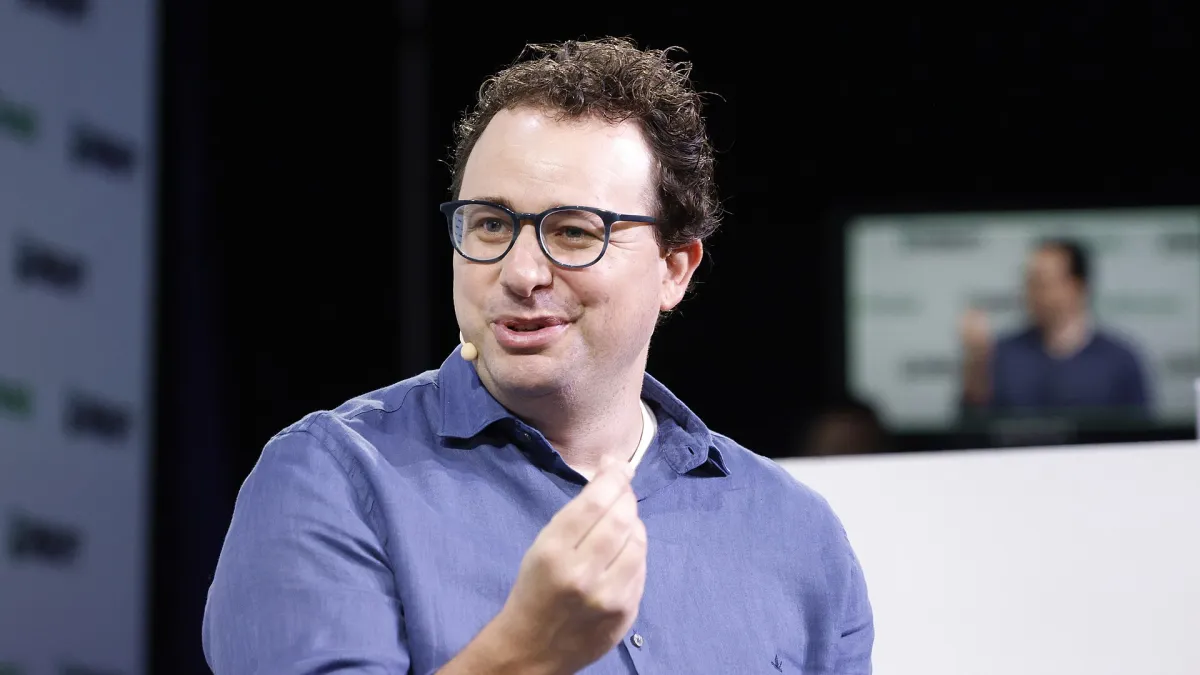
Photo: TechCrunch / Wikimedia Commons, CC BY 2.0, cropped
What is dario amodei's background: What is the Dario Amodei perspective on AI safety and the future of technol
By FastBuySale Newsroom · · 5m ago · EN HI
Get breaking news & deals on your favourite app
Explore the ongoing debate surrounding Dario Amodei and his vision for artificial intelligence safety, and what this means for the evolving tech landscape in India. Dario Amodei, the chief executive of Anthropic, has become a central figure in the global discussion regarding the responsible development of advanced artificial intelligence models.
📌 Key points
- Dario Amodei, the chief executive of Anthropic, has become a central figure in the global discussion regarding the responsible development of advanced artificial intelligence models.
- Prominent researchers have recently challenged his cautious approach to AI safety, labeling his philosophy as overly restrictive or medieval in its focus on potential risks.
- For Indian developers and businesses, this intellectual conflict highlights the tension between rapid innovation and the necessity of implementing robust safety guardrails in software.
- Understanding the stance taken by Dario Amodei helps local users anticipate how future AI tools might be governed, regulated, or restricted in the coming years.
Understanding the Dario Amodei perspective on AI development
What is dario amodei's background: In the rapidly evolving world of artificial intelligence, the vision held by Dario Amodei has sparked intense debate among industry experts. As the leader of a major AI firm, he advocates for a methodical approach that prioritizes safety and long-term security. Many observers are asking what is the Dario Amodei vision for AI, as his policies often emphasize the potential dangers of unchecked technological growth and the importance of alignment with human values.
This cautious strategy stands in stark contrast to those who believe that open-source development and rapid experimentation are the only paths to progress. By focusing on internal safety protocols, he has positioned his company as a guardian of ethical standards. For those in India watching the global AI race, these differences in philosophy are crucial because they dictate how future systems will be built, tested, and eventually deployed to public users across various sectors.
The debate over medieval versus modern AI philosophies
The recent criticism leveled against the approach championed by Dario Amodei centers on the idea that excessive caution could stifle innovation. Some researchers argue that focusing too heavily on existential risks is a step backward, comparing such restrictive mindsets to medieval thinking. This viewpoint suggests that by creating barriers to entry, leaders might inadvertently slow down the democratization of powerful tools that could otherwise solve complex problems in healthcare, agriculture, and education for millions.
Conversely, supporters argue that these safety measures are not about stopping progress but about ensuring sustainability. In a digital ecosystem as large as India's, the implications of a malfunctioning AI are significant. If developers prioritize speed over safety, the resulting issues could be difficult to manage. Therefore, the debate is not merely academic; it represents a fundamental disagreement on how society should balance the immense benefits of new technology against its inherent, unpredictable risks.
Impact of AI safety standards on the Indian tech sector
The Indian technology sector is currently at a crossroads, balancing the adoption of global AI standards with the need for localized innovation. When global leaders like Dario Amodei advocate for stricter controls, it often filters down to the frameworks used by local startups and enterprise software developers. Many Indian firms are now forced to evaluate whether to build their own proprietary models or rely on international platforms that come with heavy safety restrictions and usage limitations.
This shift means that businesses must become more discerning about the tools they integrate into their operations. While a cautious approach might ensure stability, it could also limit the flexibility of AI applications in niche Indian markets. As the industry matures, local companies are finding that they need to develop hybrid strategies that benefit from global safety research while maintaining the agility required to compete in a fast-paced domestic market that demands affordable and efficient solutions.
What this means for buyers and sellers of AI services
For consumers and businesses in India looking to purchase AI-driven services, the ongoing discourse shapes the quality and availability of products. Buyers are increasingly looking for transparency regarding how their data is handled and what safety guardrails are in place. As companies align themselves with the philosophies of leaders like Dario Amodei, we can expect to see more robust compliance features and clearer documentation, which ultimately builds trust in the digital marketplace.
Sellers, on the other hand, must navigate the changing expectations of their clients. Providing AI solutions that are both powerful and safe has become a competitive advantage. Vendors who can explain their safety protocols clearly are likely to attract more enterprise clients who are wary of the risks associated with unproven technology. This focus on safety is becoming a standard expectation rather than a luxury, influencing everything from pricing models to the terms of service agreements.
Looking toward the future of AI governance
As we look ahead, the influence of Dario Amodei on global policy is expected to persist. The tension between open development and controlled safety will likely lead to new regulatory frameworks. For India, this means staying informed about global trends while creating a unique regulatory environment that fosters growth. The goal is to ensure that the country remains a hub for technological excellence without compromising the safety and security of its vast digital population.
Ultimately, the evolution of AI will depend on finding a middle ground. Whether the future is defined by open-source freedom or guarded innovation, the lessons learned from this debate will shape the next decade of software development. Indian stakeholders should remain engaged, as the decisions made today by global leaders will have lasting effects on the accessibility and functionality of the tools that will power the economy of tomorrow.
💬 Join the discussion on this article →
More in Tech · Trending News · Browse local deals
💡 What's in it for buyers
- Look for AI platforms that clearly define their safety and data privacy protocols.
- Compare local listings on FastBuySale for hardware capable of running secure AI models.
- Prioritize software vendors that offer transparent documentation regarding model limitations.
- Meet safely with local tech consultants when evaluating large-scale AI software purchases.
FAQs
What is dario amodei's background?
Dario Amodei advocates for a cautious approach to AI development, emphasizing the need for rigorous safety testing and internal oversight to prevent potential risks associated with highly advanced models. He believes that building secure systems is essential for the long-term benefit of humanity, even if it requires slower deployment speeds.
Why do some experts criticize his approach?
Critics, including some fellow AI researchers, argue that focusing too heavily on existential risks creates unnecessary barriers to innovation. They suggest that such a cautious mindset is regressive, potentially hindering the rapid progress of technology and limiting the democratization of powerful AI tools for developers and businesses globally.
How does this debate affect the Indian tech industry?
The debate influences how Indian startups and enterprises choose their AI tools. It forces companies to weigh the benefits of strict safety guardrails against the need for operational flexibility. As global standards evolve, Indian businesses must adapt their development strategies to remain both competitive and compliant with emerging international safety expectations.
Will these safety standards change the cost of AI tools?
Increased focus on safety and compliance often leads to higher development and maintenance costs for AI providers, which may be reflected in the pricing of enterprise-level software. However, for the average consumer, these standards primarily manifest as improved data security and more reliable performance, adding value to the services purchased.
 KES 25,000
 KES 23,000
 KES 70,000
 KES 14,500