


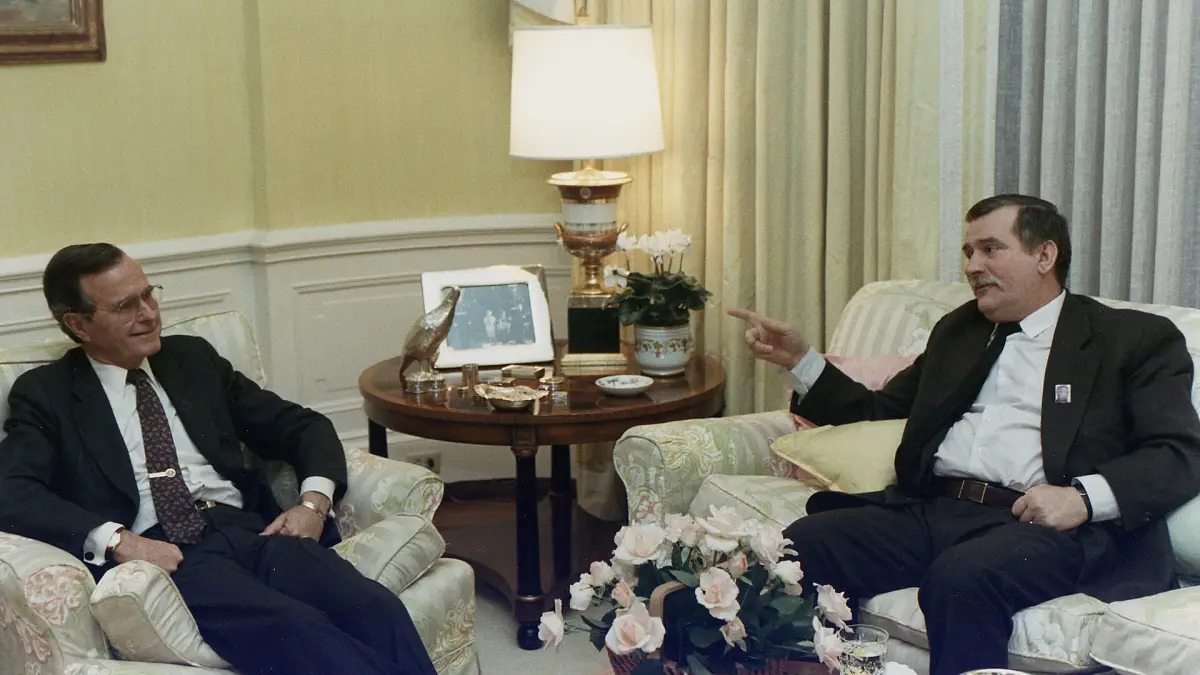
Photo: David Valdez / Wikimedia Commons, Public domain, cropped
What is lech walesa doing now: Understanding the Lech Wałęsa pension and financial status in the United Kingdo
By FastBuySale Newsroom · · 2m ago
Get breaking news & deals on your favourite app
Discover the details surrounding the Lech Wałęsa pension and what it means for public figures in the United Kingdom as we break down the financial facts. The financial arrangements for former heads of state often spark public interest regarding how their retirement income is structured and maintained over many decades.
📌 Key points
- The financial arrangements for former heads of state often spark public interest regarding how their retirement income is structured and maintained over many decades.
- Lech Wałęsa receives a specific state pension which is supplemented by additional funding designated for the maintenance and operation of his official private office.
- Discussions regarding presidential pensions frequently highlight the differences between standard retirement benefits and the unique packages provided to high-ranking former national political leaders.
- For residents in the United Kingdom, comparing these international political compensation structures provides context for how public service is rewarded after a career concludes.
The context of the Lech Wałęsa pension structure
What is lech walesa doing now: When people search for information regarding the Lech Wałęsa pension, they are often looking to understand how the retirement benefits of former presidents are calculated. In many nations, these figures are not just based on standard civil service contributions but include specific legal provisions for those who held the highest office. Understanding the Lech Wałęsa pension helps observers see how different countries value the legacy and ongoing administrative needs of their retired statesmen.
Financial transparency remains a significant topic of interest for citizens across the United Kingdom. While the specific figures for international figures can vary, the principle of providing a pension that allows for the maintenance of a public profile is common in many democratic systems. This arrangement is designed to ensure that former leaders remain available for public duties or historical consultation, supported by state funds that cover essential operational costs.
Comparing presidential retirement benefits internationally
The debate over what constitutes a fair retirement package for a former president is a global conversation. Some citizens prefer a modest approach that aligns with standard state pensions, while others argue that the unique nature of the presidency requires a more robust financial safety net. By looking at the case of Lech Wałęsa, observers can better understand the complexities involved in balancing public funds with the requirements of a high-profile life.
In the United Kingdom, retirement planning for public figures often follows different rules, yet the curiosity remains the same. People are naturally interested in how the state treats those who have led the country. Comparing these systems allows for a broader perspective on how different societies manage the transition from active political life to retirement, ensuring that the dignity of the office is maintained through appropriate financial support structures.
The role of office funding in retirement
A key component of the financial support provided to figures like Lech Wałęsa is the allocation of funds for maintaining an office. This is distinct from a personal pension, as it is specifically earmarked for administrative staff, correspondence, and the management of historical archives. These funds ensure that the former leader can continue to engage with the public, host visitors, and contribute to national discourse without personal financial strain.
For the average person, this distinction is crucial. While a pension covers personal living expenses, office funding is a functional grant intended to preserve the institutional memory of the presidency. This model is seen in various countries where former heads of state are expected to act as ambassadors for their nation's history. It represents a commitment to keeping the voice and expertise of a former leader accessible to the public and future generations.
Public interest and the transparency of leadership
The frequent search volume surrounding the Lech Wałęsa pension suggests that the public is deeply invested in the transparency of political compensation. In the digital age, information about the financial lives of public figures is more accessible than ever, leading to increased scrutiny and debate. This interest is not necessarily about jealousy but rather a genuine desire to understand the fiscal policies that govern the lives of those who once held power.
As we observe these financial trends, it is helpful to remain objective. Every country has its own historical context and legal framework for rewarding public service. By examining these cases, citizens in the United Kingdom can better appreciate the nuances of their own political systems. The goal should always be to ensure that compensation is fair, transparent, and reflects the values of the society that provides the funding for these individuals.
What this means for the future of public service
Looking ahead, the model of presidential pensions will likely continue to evolve. As societies become more focused on fiscal responsibility, there may be more calls for standardized retirement packages for all public servants, including former heads of state. This evolution reflects a growing trend toward equality and accountability in government spending, which is a topic that resonates strongly with taxpayers who want to ensure their money is managed wisely.
Understanding the current landscape, including the financial arrangements of global figures, helps citizens participate in informed discussions about the future of governance. Whether it is about the Lech Wałęsa pension or broader retirement policies, the conversation remains vital. By staying informed about these international examples, people can advocate for systems that are both respectful of historical service and mindful of the economic realities faced by the general public today.
💬 Join the discussion on this article →
More in Finance · Trending News · Browse local deals
💡 What's in it for buyers
- Look for official government documents or audited reports to verify financial data.
- Compare the cost of living adjustments in your own retirement planning.
- Utilize local marketplace tools to save money on daily essentials.
FAQs
What is lech walesa doing now?
The pension for Lech Wałęsa consists of a standard state retirement benefit combined with additional funding allocated specifically for the maintenance of his private office. This structure is designed to support his ongoing public activities and historical documentation work, rather than serving solely as a personal income stream for his private lifestyle.
Why do people in the United Kingdom search for this information?
People in the United Kingdom are often interested in the financial compensation of global leaders to understand how different nations handle presidential retirement. It serves as a point of comparison for public service rewards and highlights the varying ways that countries choose to support their former heads of state.
Does the pension include money for staff and office space?
Yes, the financial arrangements for former presidents often include a separate budget for operational expenses. This typically covers costs such as administrative assistance, office rent, and utility bills, ensuring that the former leader has the necessary resources to manage their correspondence and public duties effectively after leaving office.
Is this type of pension common in other countries?
Many democratic countries provide some form of financial support to former heads of state. While the specific amounts and the inclusion of office funding vary significantly by jurisdiction, the underlying principle is to provide a level of security that acknowledges the importance and unique demands of the presidential role.
 KES 25,000
 KES 23,000
 KES 70,000
 KES 14,500