


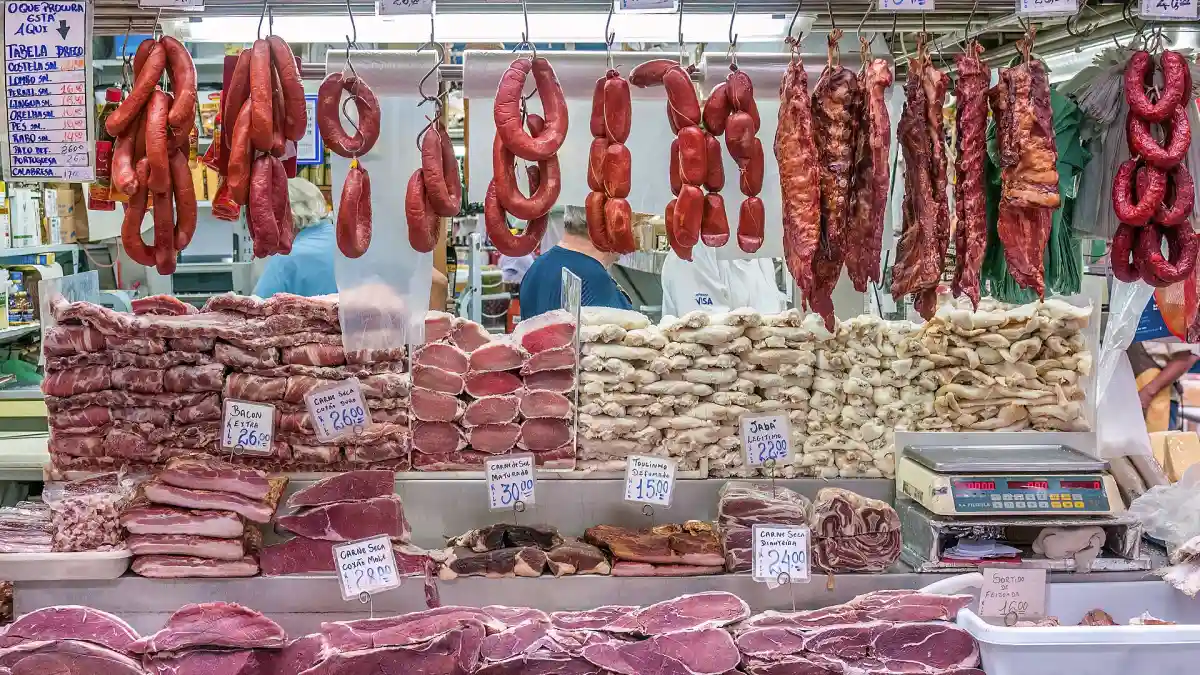
Photo: Wilfredor / Wikimedia Commons, CC BY-SA 4.0, cropped
What is sao paulo known for: sao paulo: Exploring the Future of São Paulo: Challenges and Urban Growth Trends
By FastBuySale Newsroom · · 5m ago
Get breaking news & deals on your favourite app
Discover the latest urban development trends in São Paulo and what the future holds for this major metropolitan hub for residents and investors in France. Experts are currently analyzing the primary infrastructure and social challenges that define the ongoing developmental trajectory of the sprawling metropolitan region of São Paulo.
📌 Key points
- Experts are currently analyzing the primary infrastructure and social challenges that define the ongoing developmental trajectory of the sprawling metropolitan region of São Paulo.
- Urban planners and civic leaders are prioritizing sustainable growth models to ensure the city remains a competitive and functional hub for international business interests.
- The focus on modernization includes improving public transport networks and digital connectivity to support the rapidly expanding needs of a diverse urban population base.
- Economic discussions emphasize the importance of balancing rapid industrial expansion with the necessity of maintaining quality of life for millions of local city residents.
Understanding the current urban landscape of São Paulo
What is sao paulo known for: The city of São Paulo stands as a massive economic engine, constantly evolving to meet the demands of a modern global society. As people in France look toward international markets, understanding the dynamics of this region becomes essential for those tracking global growth. The city is currently navigating a complex period where infrastructure demands meet the aspirations of a growing workforce, making it a focal point for urban development discussions worldwide.
When considering what is the future of São Paulo, it is clear that the city is at a crossroads. Leaders are engaging in deep dialogues regarding how to sustain momentum while addressing historical gaps in public services. This transition period is defined by a push toward smarter urban management, seeking to harmonize the fast-paced nature of the local economy with the long-term sustainability requirements of a dense, multi-layered metropolitan environment.
Key challenges facing growth in the metropolitan area
Growth in such a large city naturally brings significant hurdles that require strategic intervention. Traffic management, housing affordability, and the integration of new technologies into public life are at the forefront of the current agenda. For those observing from abroad, these challenges reflect universal urban issues, yet they are magnified here by the sheer scale of the population and the intensity of the commercial activity occurring within the city limits every single day.
Civic experts are emphasizing that the path forward requires a collaborative approach involving both public authorities and private stakeholders. By addressing these bottlenecks, the city aims to unlock further potential for innovation and trade. The goal is to create a more resilient urban structure that can withstand economic fluctuations while providing a stable foundation for the millions of people who call this vibrant and bustling region their home.
Economic impact and opportunities for international interest
The economic influence of this region extends far beyond its borders, impacting global supply chains and investment strategies. Businesses operating in France often look to this market as a gateway for expansion, noting the resilience shown by local industries. The ongoing discussions about development are not just local concerns; they represent a broader trend of emerging markets striving to refine their operational efficiency and attract long-term capital from international partners seeking growth.
As the city modernizes, new opportunities are emerging in sectors ranging from technology to logistics. The focus on improving the business climate is designed to make the region more accessible for foreign entities. For those interested in the local market, the current climate suggests a period of transition where strategic partnerships could prove highly beneficial, provided that investors remain informed about the shifting regulatory and infrastructural landscape of the city.
Technological integration in the modern urban environment
Technology is playing a pivotal role in reshaping how the city functions on a daily basis. From advanced transit systems to digital platforms that streamline civic services, the push for a digital transformation is evident. These improvements are vital for maintaining the city's status as a top-tier destination for international events and corporate headquarters, ensuring that the infrastructure keeps pace with the rapid evolution of global digital standards and consumer expectations.
Local leaders are increasingly turning to data-driven solutions to optimize energy consumption and waste management. By adopting these modern tools, the city is positioning itself to be more efficient and environmentally conscious. This shift is not merely cosmetic; it is a fundamental change in how resources are allocated, which ultimately influences the cost of living and the ease of doing business for everyone residing or working within the metropolitan area.
What to watch for in the coming months
In the near future, observers should monitor specific policy shifts and infrastructure projects that are currently in the planning or early execution stages. These initiatives will likely serve as indicators of the city's long-term commitment to its stated development goals. Keeping an eye on how these projects are funded and managed will provide valuable insights into the stability and future direction of the regional economy for interested parties in France.
As the dialogue among experts continues, expect more refined strategies regarding urban mobility and social inclusion to emerge. The ability of the city to implement these changes effectively will determine its success in the coming years. Whether you are a business professional or simply interested in global urban trends, staying updated on these developments will be key to understanding how this massive city continues to adapt and thrive in an increasingly competitive world.
💬 Join the discussion on this article →
More in Trending · Trending News · Browse local deals
💡 What's in it for buyers
- Look for local business services or products that are expanding due to new urban infrastructure projects.
- Check online marketplaces for goods that reflect the growing demand for home office and tech equipment.
- Monitor local classifieds for opportunities related to the increasing demand for urban logistics and transport services.
- Connect with local sellers who are adapting to the changing economic landscape of the metropolitan region.
FAQs
What is sao paulo known for?
The future of São Paulo involves a concentrated effort to improve public infrastructure, digital connectivity, and sustainable urban planning to support its massive population and maintain its position as a leading global economic hub.
Why is this city important for international investors?
As a major economic center, it serves as a critical gateway for trade and business expansion, offering significant potential for companies looking to establish a presence in a large, dynamic, and constantly evolving market.
How are traffic and mobility issues being addressed?
Authorities are focusing on modernizing public transport networks and integrating digital solutions to optimize traffic flow, aiming to reduce congestion and improve the overall quality of daily life for the city's residents.
Can international buyers participate in the local economy?
Yes, international buyers often participate by investing in local businesses, real estate, or services that are benefiting from the city's ongoing modernization and development initiatives across various sectors.
 KES 25,000
 KES 23,000
 KES 70,000
 KES 14,500