


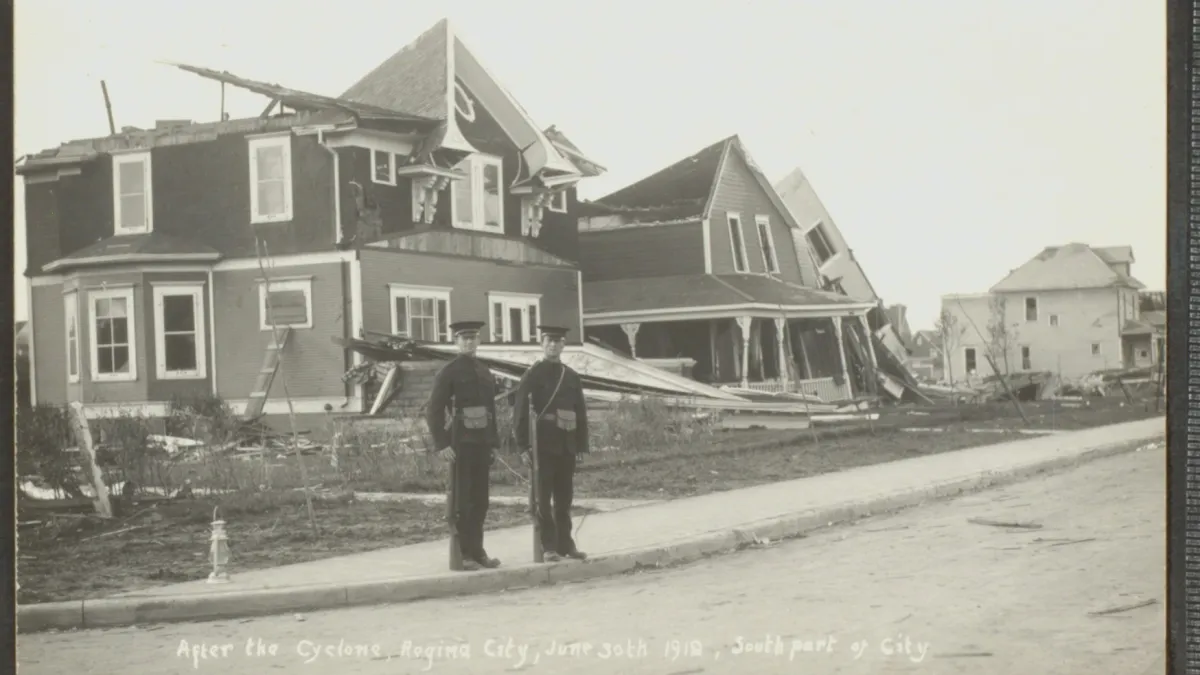
Photo: Unknown authorUnknown author / Wikimedia Commons, Public domain, cropped
What is the city of regina named after: What is the City of Regina transit lockout impact for local commuters
By FastBuySale Newsroom · · 1m ago
Get breaking news & deals on your favourite app
The City of Regina transit lockout affects thousands of commuters across the region. Learn what is the City of Regina transit lockout impact on your travel. Public transportation services in Regina are scheduled to cease operations following a formal lockout notice issued amid ongoing labour contract negotiations between parties.
📌 Key points
- Public transportation services in Regina are scheduled to cease operations following a formal lockout notice issued amid ongoing labour contract negotiations between parties.
- Commuters relying on city buses will need to find alternative travel arrangements as fixed routes and specialized transit services are suspended until further notice.
- Local residents are encouraged to explore carpooling options or remote work arrangements to mitigate the challenges presented by the sudden halt in transit availability.
- The disruption highlights the critical role public infrastructure plays in maintaining daily economic activity and personal mobility for citizens living within the urban core.
Understanding the City of Regina transit service suspension
What is the city of regina named after: The current situation involving the City of Regina transit system stems from a breakdown in collective bargaining discussions between the municipal administration and local labour representatives. When a lockout notice is issued, it signifies that the employer intends to restrict access to the workplace, effectively halting the delivery of public services. For residents, this means that the familiar bus schedules and transit routes that define daily movement through the city are no longer operational.
What is the City of Regina transit lockout impact on your daily routine? This question is top of mind for thousands of people who depend on the network to reach their workplaces, schools, and essential services. As negotiations remain at a standstill, the uncertainty surrounding the duration of this service interruption makes it difficult for households to plan their weekly activities, emphasizing the fragility of urban transit systems during periods of intense labour disputes.
Impact on daily life and local mobility in Regina
For many individuals, the suspension of transit represents a significant barrier to maintaining their regular schedules. Without access to public buses, the burden of transportation shifts entirely to personal vehicles, which can lead to increased traffic congestion on major roadways during peak hours. Families must navigate the logistical challenges of coordinating rides or seeking temporary alternatives, which often results in added stress and unexpected costs related to fuel and parking fees for those who own cars.
The ripple effects of this shutdown extend beyond personal travel, influencing how local businesses operate and how employees attend their shifts. When the mobility of the workforce is restricted, productivity can decline, and the overall rhythm of the city experiences a notable shift. Residents are advised to monitor local updates closely, as the absence of transit services necessitates a proactive approach to managing commutes and ensuring that essential appointments are kept despite the ongoing infrastructure challenges.
Navigating transportation alternatives during the lockout
In the absence of city-provided transit, many residents are turning to community-based solutions to bridge the gap. Carpooling has become a vital strategy, allowing neighbours and colleagues to share the costs and responsibilities of commuting. By organizing rides, individuals can reduce the strain on the road network while ensuring that they reach their destinations on time. Online community platforms are frequently used to coordinate these efforts, providing a space for people to connect and support one another.
Beyond carpooling, some citizens are opting for active transportation methods such as cycling or walking, provided the weather conditions and distances allow for such measures. While these options may not be feasible for everyone, they represent a resilient response to the lack of public transit. Local organizations and employers are also encouraged to offer flexibility, such as allowing remote work or adjusted hours, to help mitigate the impact of the transit service interruption on the community.
Economic consequences for the local Regina economy
The suspension of public transit services carries broader implications for the local economy. When people are unable to travel easily to retail centres, restaurants, or entertainment venues, these businesses often see a decrease in foot traffic and overall revenue. The reliance on a functioning transit system is a cornerstone of urban economic health, and its sudden removal creates a period of instability that can affect small business owners and service providers who depend on consistent customer access.
Furthermore, the cost of living for individual residents may rise as they seek out private transportation options. Whether through increased fuel consumption, the need for ride-sharing services, or the potential for lost wages due to tardiness, the financial burden of a transit lockout is felt across various demographics. Understanding these challenges is essential for the community as it navigates the current situation and looks toward a resolution that restores the vital services needed for daily operations.
Looking toward a resolution for transit services
As the city waits for progress in the labour negotiations, the focus remains on the eventual resumption of transit services. Both parties are encouraged to find common ground that addresses the core concerns of the workforce while ensuring the long-term sustainability of the public transportation system for all citizens. A return to service will require careful coordination to ensure that buses are properly staffed and that routes are safely reinstated to meet the needs of the public.
Residents should continue to stay informed through official municipal channels for any announcements regarding the status of the lockout. Patience and community cooperation are vital during this time, as everyone works to adapt to the changing landscape of urban mobility. By staying flexible and supporting one another, the people of Regina can manage the current disruption while advocating for a stable and reliable transit system that serves the needs of the entire population moving forward.
💬 Join the discussion on this article →
More in Trending · Trending News · Browse local deals
💡 What's in it for buyers
- Check local community boards for ride-sharing opportunities to save on fuel.
- Consider purchasing a used bicycle or scooter for short-distance urban travel.
- Use online marketplace platforms to find affordable carpooling arrangements with neighbours.
- Look for local car rentals if you need a vehicle for essential appointments.
FAQs
What is the city of regina named after?
The lockout means that all city bus services are suspended, requiring commuters to find alternative transportation such as carpooling, cycling, or using private vehicles to reach their destinations.
Are there any alternative public transit options available during the lockout?
Currently, the city-operated bus network is the primary transit service. During a total lockout, these services are not running, so there are no municipal public transit alternatives available for residents to use.
How long will the transit service be suspended for?
The duration of the suspension depends on the outcome of the ongoing labour negotiations. There is no fixed end date, so residents should prepare for the possibility of a prolonged interruption.
Where can I find updates regarding the transit service status?
You should monitor official municipal announcements and local news sources for the most current information regarding the status of the transit system and any potential progress in the negotiations.
 KES 25,000
 KES 23,000
 KES 70,000
 KES 14,500