


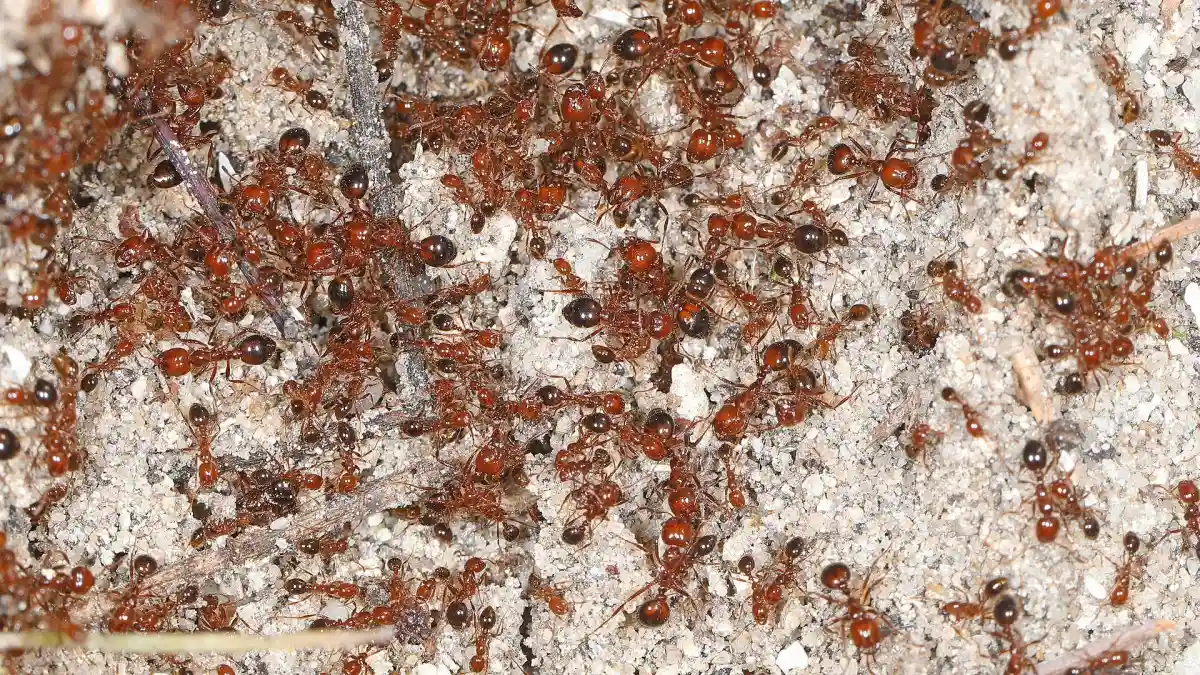
Photo: Judy Gallagher / Wikimedia Commons, CC BY 2.0, cropped
What does solenopsis invicta mean: Fire ants in Sydney: What is the risk and how to stay safe in Australia
By FastBuySale Newsroom · · 10m ago
Get breaking news & deals on your favourite app
Discover the latest updates regarding fire ants in Sydney and what it means for your home and garden safety across Australia. Stay informed and prepared today. The discovery of a second fire ant nest in Sydney has raised significant concerns among biosecurity experts regarding the potential spread of this invasive pest.
📌 Key points
- The discovery of a second fire ant nest in Sydney has raised significant concerns among biosecurity experts regarding the potential spread of this invasive pest.
- Fire ants are highly aggressive and pose a serious threat to local biodiversity, agricultural productivity, and the safety of families enjoying their outdoor living spaces.
- Residents in affected regions should remain vigilant by inspecting their properties and reporting any unusual ant activity to the relevant state biosecurity authorities immediately.
- Understanding the signs of fire ant infestation is crucial for protecting your household, pets, and local environment from these harmful and destructive biting insects.
What is the risk of fire ants in Sydney?
What does solenopsis invicta mean: The recent identification of a second fire ant nest in Sydney has prompted an urgent response from environmental authorities. Many Australians are asking what is the risk of fire ants in Sydney, as these invasive pests are known for their painful stings and ability to rapidly colonize new areas. Unlike native species, these ants form large, aggressive colonies that can quickly dominate a garden or park, making outdoor activities potentially dangerous.
These insects are considered a major biosecurity threat because they can impact both human health and local ecosystems. Their stings cause intense burning sensations and can trigger allergic reactions in some individuals. Because they are highly adaptive, they can survive in various climates, leading to concerns that they could spread across suburban landscapes if not contained effectively. Early detection remains the most effective method for preventing a larger scale infestation in the region.
How to identify these invasive pests at home
Identifying fire ants early is essential for effective management. These ants are typically small, ranging from two to six millimeters, and exhibit a reddish-brown color. Their mounds are the most distinct feature, often appearing as loose, crumbly soil without a clear entry hole. If you disturb a nest, the ants will swarm out aggressively to defend their territory, which is a significant departure from the behavior of most common Australian native ant species.
Homeowners should keep a close eye on their lawns and garden beds for any unusual soil mounds. It is important to avoid touching these nests, as the ants will bite and sting repeatedly. If you suspect an infestation on your property, do not attempt to treat it with store-bought chemicals, as this can cause the colony to split and relocate. Instead, document the location and contact the official biosecurity hotline for professional guidance.
Impact on local living and property safety
The presence of these ants can change how families use their outdoor spaces. In areas where they become established, children and pets are at higher risk of being stung while playing in the backyard. This can limit the enjoyment of parks and recreational areas, as authorities may be forced to restrict access to manage the risk. Maintaining a clear and tidy yard can help, but vigilance is the primary defense for every household.
For those managing larger properties or farms, the economic impact can be significant. These ants can damage electrical equipment, harm livestock, and disrupt agricultural operations by feeding on crops. Protecting your property involves regular monitoring and ensuring that any soil or plant material brought onto the land is free from hitchhiking pests. Being proactive about biosecurity helps safeguard the value of your home and the health of the surrounding local community.
Biosecurity measures for every Australian citizen
Biosecurity is a shared responsibility that requires the cooperation of all citizens. When new nests are found, the focus shifts to containment and eradication. This often involves strict regulations on the movement of materials like mulch, soil, and hay from affected zones. By adhering to these guidelines, residents play a vital role in preventing the ants from hitching a ride to new suburbs or regions, effectively stopping the spread at its source.
Public awareness is the strongest weapon against this threat. Authorities rely on reports from the community to track the movement of the ants. If you see something suspicious, taking a photo from a safe distance and submitting it to the relevant department is the best way to help. By staying informed and following the advice of experts, the community can work together to manage the risks and keep the local environment safe for everyone.
What to watch for in the coming months
As the weather warms, ant activity typically increases, making it a critical time for monitoring. Experts will continue to conduct surveillance in high-risk areas to ensure that the current nests are isolated and treated. Residents should stay updated through official channels regarding any changes to local regulations or new containment zones. Being prepared and knowing how to respond quickly is the best strategy for managing this ongoing biosecurity challenge in Australia.
The situation remains fluid, and the goal is to prevent these ants from becoming a permanent fixture in our suburbs. While the discovery of a second nest is worrying, it also highlights that the detection systems are working. Continued public support and rapid response efforts are essential for success. Keep your property clean, monitor your garden, and always report sightings promptly to ensure that our collective effort keeps these invasive pests under control.
💬 Join the discussion on this article →
More in Trending · Trending News · Browse local deals
💡 What's in it for buyers
- Check all outdoor furniture and garden equipment for signs of ant nests before moving items to your home.
- Inspect new soil, mulch, or potted plants thoroughly to ensure they are free from invasive pests.
- Use FastBuySale to find local garden tools and protective gear to maintain a clean and safe outdoor area.
- Avoid moving soil or plants from known affected areas to prevent the spread of invasive species.
FAQs
What does solenopsis invicta mean?
Fire ants are aggressive and can deliver painful stings that cause burning sensations. While they are a nuisance, the main risk is to children and pets playing in gardens. By identifying nests early and avoiding contact, you can significantly reduce the chance of injury while authorities work to manage the population.
How do I report a suspected fire ant nest?
If you suspect you have found a fire ant nest, do not disturb it. Take a photo from a safe distance and contact your state biosecurity authority via their official hotline. They will provide instructions on how to proceed and may send a specialist to inspect the site for you.
Can I use regular ant spray to kill fire ants?
It is not recommended to use standard household pesticides on suspected fire ant nests. These chemicals can cause the colony to split and move to new locations, making the infestation harder to control. Professional biosecurity teams use specialized treatments designed to eliminate the entire colony, including the queen, effectively.
Are fire ants dangerous to my pets?
Yes, fire ants can be dangerous to pets, especially if they disturb a nest. The ants will swarm and sting, which can cause significant pain and potential allergic reactions for dogs and cats. Keep an eye on your pets when they are outdoors and check your yard regularly for any unusual activity.
 KES 25,000
 KES 23,000
 KES 70,000
 KES 14,500