


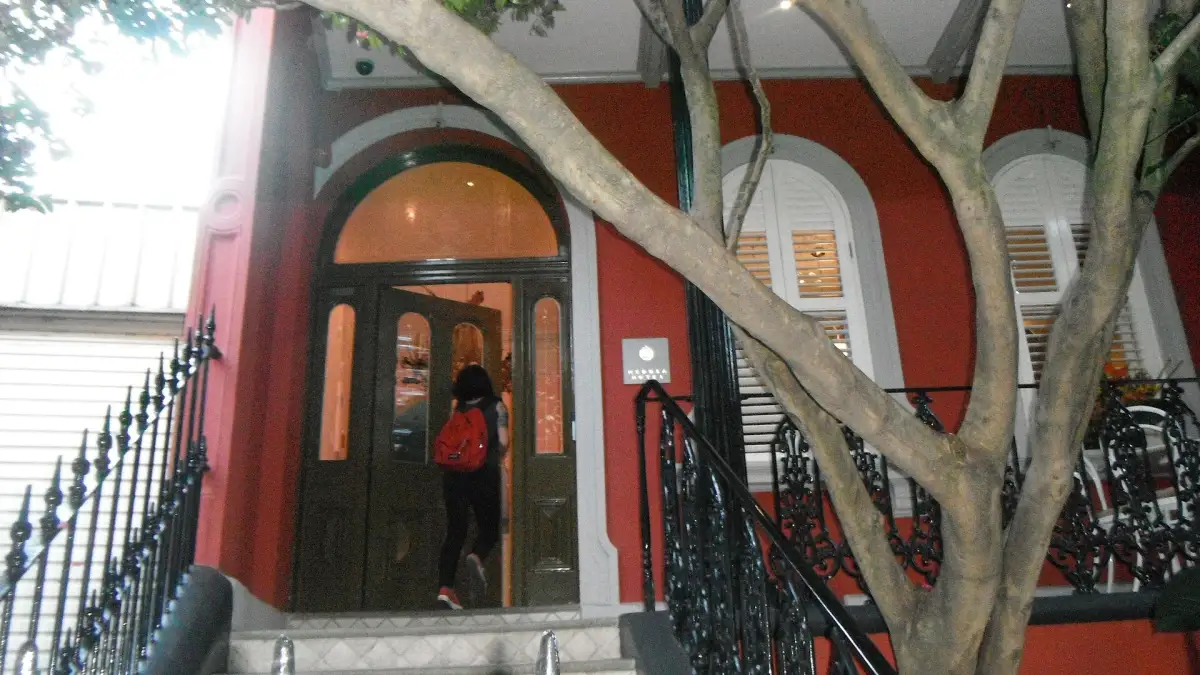
Photo: Ruby Goes / Wikimedia Commons, CC BY 2.0, cropped
Sydney terrace house for sale: What is the Sydney terrace market value during current housing trends?
By FastBuySale Newsroom · · 5m ago
Get breaking news & deals on your favourite app
Discover why a partially renovated Sydney terrace recently fetched a high price in Australia and what this means for current property market buyers and sellers. A historic property in Sydney recently sold for a significant sum despite lacking basic amenities like a functional kitchen or modern renovations.
📌 Key points
- A historic property in Sydney recently sold for a significant sum despite lacking basic amenities like a functional kitchen or modern renovations.
- The sale highlights the enduring value of prime location and period architecture in the competitive Australian housing market despite broader economic cooling.
- Buyers often focus on the potential for capital growth and structural character when evaluating distressed properties that require substantial investment to become liveable.
- This transaction serves as a reminder that unique, well-positioned real estate remains highly sought after by investors looking for long-term development opportunities.
Understanding the value of a Sydney terrace in today's market
Sydney terrace house for sale: The recent sale of a historic residence in Sydney has sparked discussions about what is the Sydney terrace market value in the current economic climate. Despite the property missing essential features such as a kitchen and remaining only partially finished, it commanded a multi-million dollar price tag. This transaction underscores the resilience of the local property sector, where historical charm and land value often outweigh the immediate need for modern convenience.
For many observers, this sale illustrates the divide between move-in-ready homes and properties with significant renovation potential. In Australia, buyers are frequently willing to pay a premium for the opportunity to restore a period home to its former glory. Even during periods of market uncertainty, properties that offer a blank canvas in desirable suburbs continue to attract interest from those viewing real estate as a strategic long-term asset.
Why location and heritage remain key drivers for property
The primary factor behind such high valuations is almost always the location. Sydney remains one of the most expensive cities for real estate in Australia, and historic terraces in inner-city pockets are finite resources. Because no more of these specific architectural styles are being built, the scarcity factor keeps demand high. When a buyer secures a plot in a premium suburb, they are often purchasing the land's future potential rather than the current condition of the structure.
Heritage architecture provides a unique aesthetic that cannot be replicated by modern developments. These properties often feature high ceilings, ornate cornicing, and traditional brickwork that appeal to a specific demographic of buyers. While the cost of renovation can be substantial, the end result is a bespoke home that stands out in a sea of generic apartment blocks. This perceived individuality is a powerful driver in the competitive Sydney housing market.
What this sale means for potential home buyers and sellers
For sellers, this news suggests that listing a property in need of repair does not necessarily mean settling for a lower price. If the home has structural integrity and is situated in a sought-after area, there is likely a pool of buyers looking for their next project. However, transparency about the condition of the home is essential to attract serious investors who have the budget to handle the inevitable renovation costs that follow the initial purchase.
For buyers, the takeaway is the importance of performing thorough due diligence before making an offer on a distressed property. While the price might seem justified by the location, the hidden costs of updating plumbing, wiring, and installing a new kitchen can quickly escalate. It is vital to factor in these expenses when calculating the final investment, ensuring that the total cost remains within the bounds of what the local market will ultimately support.
Navigating the renovation landscape in the Australian property market
Undertaking a renovation on a historic Sydney terrace requires more than just capital; it demands a clear vision and patience with local council regulations. Many of these properties are protected by heritage overlays, which can restrict the types of changes that owners can make. Buyers should research these limitations before committing to a purchase, as they can significantly impact the scope and budget of a renovation project intended to add value.
Despite the hurdles, the satisfaction of preserving a piece of local history is a major draw for many Australians. Renovating a terrace allows owners to blend modern sustainable features with traditional design elements. As environmental standards become more important in construction, integrating energy-efficient heating and cooling systems into old structures is becoming a priority for those looking to future-proof their homes while maintaining the historical character of the original terrace facade.
Looking ahead at future trends for historic Sydney homes
As the market continues to evolve, we can expect to see a continued interest in properties that offer significant value-add potential. While the broader economic environment might fluctuate, the demand for well-located real estate in Sydney shows little sign of waning. Buyers and investors will likely continue to hunt for opportunities where they can apply their own stamp, provided the entry price allows for a profitable return on their eventual investment in the property.
Ultimately, the story of this sale is a reminder that the value of a home is subjective and tied to long-term goals. Whether a buyer intends to live in the property or flip it for profit, the underlying strength of the Sydney market provides a foundation for confidence. As more people seek to enter the property ladder, the focus on renovation-ready homes will likely remain a staple of the Australian real estate landscape for years to come.
💬 Join the discussion on this article →
More in Real Estate · Trending News · Browse local deals
💡 What's in it for buyers
- Assess the structural integrity of a terrace before making any final offers.
- Research local council heritage restrictions to understand renovation limits on historic homes.
- Compare local listings on FastBuySale to gauge current price trends in your preferred suburb.
- Consult with professional builders to estimate the true cost of installing modern amenities.
FAQs
What should readers know about sydney terrace house for sale?
The value of an unrenovated terrace in Sydney is highly dependent on its specific location, land size, and the extent of heritage protections. While some properties sell for millions, buyers must carefully subtract the estimated costs of major renovations from the potential resale value to determine if the purchase price is financially sound.
Are there risks in buying a half-renovated property?
Yes, there are risks including hidden structural issues, outdated electrical or plumbing systems, and potential non-compliant work performed by previous owners. It is crucial to hire independent building inspectors to evaluate the property's condition and ensure any previous renovations meet current Australian building standards before finalizing a purchase.
Can I renovate a historic terrace however I like?
Most historic terraces are subject to heritage overlays or local planning controls. These regulations often limit exterior modifications, such as changing the facade or adding extensions that alter the streetscape. Always check with your local council to understand exactly what you are permitted to change before starting any major renovation project.
Why do people buy homes that lack basic kitchen facilities?
Many buyers view these properties as development opportunities. They are often looking to strip the interior back to its shell to create a modern, high-end living space that reflects their personal taste. For these investors, the lack of a kitchen is seen as a blank slate rather than a deterrent.
 KES 25,000
 KES 23,000
 KES 70,000
 KES 14,500