


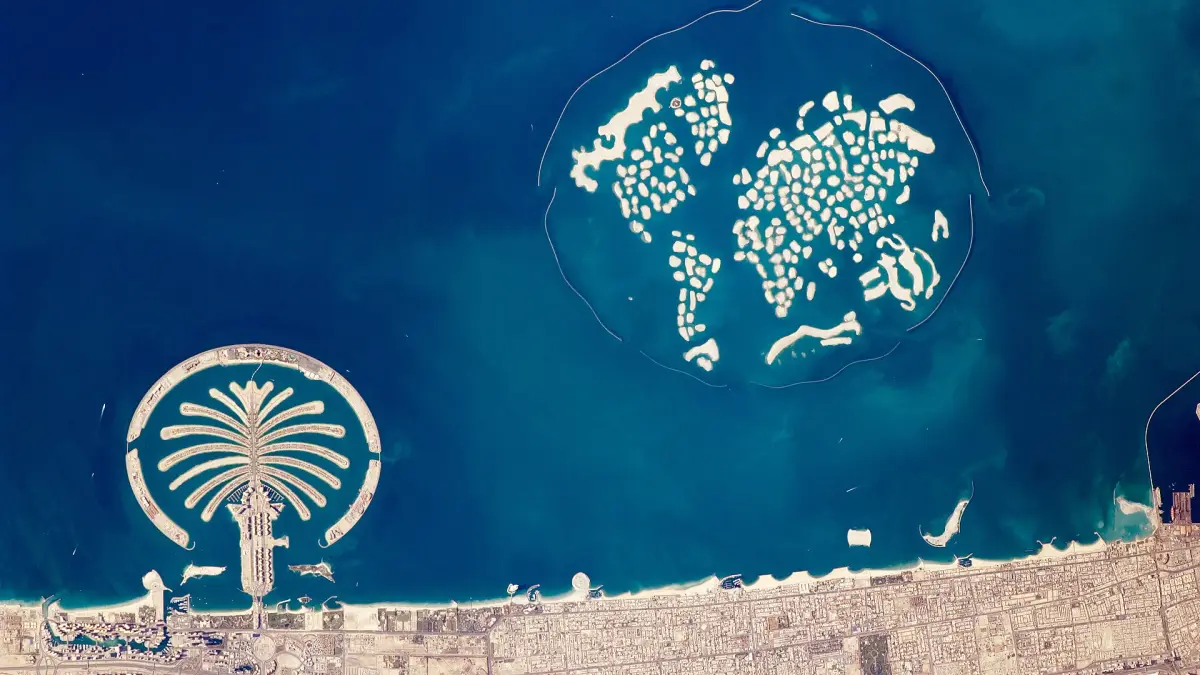
Photo: Member of the Expedition 22 crew / Wikimedia Commons, Public domain, cropped
The Future of Energy in the United Arab Emirates: New Plans to Boost Oil Exports
By FastBuySale Newsroom · · 1h ago · AR EN
Get breaking news & deals on your favourite app
Learn about infrastructure development plans for energy in the United Arab Emirates and how new oil pipeline projects will impact the local economy and trade. The United Arab Emirates is studying the possibility of building a third oil pipeline to boost its export capabilities and ensure global energy flows more efficiently and sustainably in the future.
📌 Key points
- The United Arab Emirates is studying the possibility of building a third oil pipeline to boost its export capabilities and ensure global energy flows more efficiently and sustainably in the future.
- The proposed project aims to enhance the flexibility of oil supply chains, reducing reliance on traditional routes and ensuring the continuity of vital national energy operations.
- These infrastructure expansions contribute to strengthening the country's position as a global energy hub, which positively reflects on economic growth and provides new job opportunities.
- The move toward developing energy infrastructure emphasizes the country's commitment to innovation and finding advanced technical solutions to ensure long-term energy security for markets.
Energy Sector Developments in the United Arab Emirates
The country is witnessing strategic moves to strengthen its energy export capabilities, as a feasibility study is currently underway to build a third oil pipeline to ensure supply flow with high flexibility. This trend reflects an ambitious vision aimed at diversifying export routes and reducing logistical risks that may face oil shipping operations, which enhances the efficiency of vital infrastructure that is the backbone of the national economy in the region.
These plans come as part of a broader strategy adopted by the United Arab Emirates to ensure the sustainability of the energy sector. By investing in new pipelines, the country aims to improve its ability to reach global markets more quickly. This expansion not only serves current export needs but also paves the way for increasing overall production capacity, ensuring the country remains a reliable and major supplier to international markets in light of rapidly changing global economic variables.
The Importance of Pipelines for the Local Economy
Energy infrastructure represents a fundamental pillar in supporting the general budget and providing the necessary resources for comprehensive development projects. Building an additional pipeline means an increase in the efficiency of operational processes, which translates into reducing logistical costs and increasing financial returns. This investment contributes directly to supporting other economic sectors, as energy revenues provide continuous support for infrastructure, education, and healthcare projects that benefit all residents.
Furthermore, these massive projects create an increasing demand for local talent and national companies specializing in engineering and construction. The presence of projects of this scale enhances the role of local companies in supplying services and materials, which stimulates economic activity in local markets. This positive interaction between the energy sector and small and medium enterprises contributes to creating a vibrant business environment that supports sustainable growth and provides diverse job opportunities for citizens and residents alike.
Impact of Projects on Trade and Markets
The efficiency of supply chains is a critical factor in price stability and the availability of goods related to the energy sector. By improving export routes, the country can ensure greater stability in supply, which indirectly affects the stability of the macroeconomy. For investors, these plans reflect the country's commitment to developing its assets, which increases the attractiveness of the local market for foreign and local investments that are looking for a stable business environment supported by world-class infrastructure.
These projects also contribute to strengthening the country's position as a regional hub for logistics. When pipeline networks are updated and expanded, this raises the level of coordination and commercial operations, making the country a preferred destination for global companies dealing in the energy field. This impact extends to include the development of support services and logistics that benefit many companies operating in the Emirates, creating a wide network of fruitful economic cooperation between various sectors.
A Look at the Future of Regional Energy Security
Energy security is a top priority in light of global challenges, and the country stands out as a model in managing these resources intelligently. Considering alternative routes for transporting oil reflects a deep understanding of geopolitical and economic fluctuations. By building resilient infrastructure, the country ensures the continuity of its role as a strategic partner in global energy security, which enhances its economic influence and protects its national interests in the face of any potential disruptions in traditional navigation routes.
The country is investing heavily in modern technologies to ensure that these new lines are compatible with the highest safety and environmental standards. Using advanced technology in monitoring and maintaining pipelines reduces the likelihood of malfunctions and ensures operational efficiency. This trend toward technical excellence not only protects economic assets but also sets new standards in the energy sector, making the country a leader in adopting the best global practices in managing massive oil infrastructure.
What This Means for Citizens and Residents
For individuals, the impact of these projects may not be felt on a direct daily basis, but their indirect economic benefits are tangible. The strength of the energy sector contributes to maintaining currency stability and purchasing power, which protects the local market from global price fluctuations. In addition, the expansion in energy projects always means continuous government investment in public services, ensuring the quality of life enjoyed by everyone in the various Emirates of the country.
Ultimately, these projects reflect the country's confidence in its economic future and its ability to adapt to changes. Planning for the future by developing strategic assets sends a message of reassurance that the economy is on a steady growth path. For residents, this means a stable business environment, job opportunities in sectors linked to economic growth, and continued support for projects aimed at improving the quality of life and well-being for all the country's inhabitants.
💬 Join the discussion on this article →
More in Finance · Trending News · Browse local deals
💡 What's in it for buyers
- Follow economic project news through our platforms to learn how they affect living costs.
- Take advantage of the stability of the local economy to search for investment opportunities in tools and services.
- Connect with local suppliers to get the best offers and prices.
- Always make sure to meet sellers in public places to ensure the safety of your commercial transactions.
FAQs
What is the benefit of a new pipeline in the United Arab Emirates?
The new pipeline helps enhance the flexibility of oil exports and reduces reliance on traditional routes, ensuring supply stability and increasing the country's economic efficiency, which supports the growth of the national economy as a whole.
Do energy projects affect local commodity prices?
Strong energy projects contribute to maintaining macroeconomic stability, which helps protect the purchasing power of consumers and limits the impact of global price fluctuations on the local market directly.
How can investors benefit from these developments?
Major projects create opportunities for local companies in supply sectors, engineering services, and logistics, opening new horizons for growth for small and medium enterprises that provide their services to these massive projects.
Are there plans to increase reliance on technology in these projects?
Yes, the country relies heavily on the latest technologies in monitoring and maintaining energy infrastructure to ensure the highest standards of safety and operational efficiency, which enhances the sustainability of these strategic assets in the long term.
 $200
 $300
 $3